
“Conserve, NOW 3” Program Needed to Promote Environmental Justice and Income Equality in the U.S.
More to come … Start by reading Feb.7, 2014 Testimony to Wisconsin State Assembly Committee
“… There’s no Planet B …”
 What does sustainability look like? Those who tuned in to WORT’s FM radio station’s “THE ACCESS HOUR” last night (Monday at 7:00 – 8:00 pm) at 89.9 FM (also available to listen to live at http://www.WORTFM.org, or through the WORTFM.org archives), would have a pretty good inkling of what sustainable living is truly all about, and why it is especially URGENT that all of us begin practicing it, NOW, since in the words of one of last year’s speakers, “there’s no planet B”.
On Monday, March 24, 2014, Madison, Wisconsin’s listener sponsored radio station, WORT-FM, aired on its “The Public Access Hour” program a show in which climate change educator and WORT volunteer Kermit Hovey interviewed a number of the presenters and participants who had attended last year’s Sustainability Summit in Milwaukee, Wisconsin. The quotes on this post come from the March 24th Public Access Hour show.
This year’s Sustainability Summit is called “Conserving the Future Together” and is being held in Milwaukee on March 26-28, 2014. See http://www.sustainabilitysummit.us for more information.
Last Monday’s access hour show began with Kermit Hovey interviewing Milwaukee Area Technical College’s (MATC) educator George Stone, who was the 2013 and this year’s Sustainability Summit director. In response to Hovey’s question on how he would define “sustainability”, Stone answered:
“Well, A hundred years ago, in the era of Teddy Roosevelt, we called it “conservation”. I think basically that’s what it is. And when I think of sustainability I’m not thinking primarily about sustainable financial resources, or that sort of thing, I’m thinking of the sustainability of natural resources. You know the basic necessities of life, food, water, and that requires soil for the food, all kind of the materials that Mother Earth supplies, for our advanced civilization, they’re in limited supply, we live on a finite planet, with a growing population, we need to be wise – wise use – we need to be wise and frugal in the way that we use these resources, and adopting the Native American philosophy of inter generational justice: let’s say we have a responsibility to future generations -many of the Nations consider 7 generations in the future. So that’s sustainability. It’s our moral responsibility – and I might say, parenthetically, I consider that all human activity has a moral dimension – it’s our moral responsibility to pass on a planet, and habitats on this planet, to future generations that are as close as possible to what we’ve enjoyed. Plundering the earth, and destroying for our own excess, is not justifiable.
“So sustainability I think is an expression of that in the sense that there is a moral responsibility to future generations. James Hansen, our keynote speaker today, refers to it as “inter-generational justice”. That’s my idea of “sustainability”.”
Climate scientist Michael Mann: “… there’s only one planet, right? And if we screw it up, there’s no planet “B”, and so there couldn’t be anything more important in our lives especially when we think about the sort of world we want to leave for our children and grandchildren, what could be more important than trying to find a way to live sustainably, so that we don’t leave a degraded planet for future generations?”
Go to the archives for “The Public Access Hour” for March 24, 2014 at http://www.wortfm.org for the full interview by Kermit Hovey with Michael Mann along with other speakers and participants.
Armistice (Veteran’s) Day 11 November: “A Day to be Dedicated to the Cause of World Peace”

An Act of Congress, approved May 13, 1938, made November 11th of each year a U. S. federal holiday. Bells were rung throughout the world on November 11, 1918, the day that World War I, which the U.S. Congress called “the war to end all war”. The Act stated that it was the nation’s desire to have peaceful future, away from war, and that each November 11th from then on “shall be a day to be dedicated to the cause of world peace and to be hereafter celebrated and known as “Armistice Day.”
However, on June 1, 1954, the 83rd Congress amended the Act of 1938 by striking out the word “Armistice” and inserting in its place the word “Veterans”, which enabled Americans to honor all veterans of wars the U.S. has engaged in. The organization Veteran’s For Peace, Inc., holds that Congress’s changing the word “Armistice” in the original law to “Veterans” the 1954 law changed the focus of the holiday from preserving the peace to “honoring warriors and war”, furthermore states “that too often rhetoric and patriotic symbols are used instead of genuine compensation for the extraordinary sacrifices and services of military personnel…”.
The Veterans for Peace also states (in its 2008 proclamation) that “the ringing of bells is so much more fitting and peaceful than the often practiced gun salutes and fighter plane flyovers” and Veterans For Peace, Inc. urges its membership to adopt the procedure of honoring peace by focusing on bell ringing on Armistice Day, November 11 and other solemn occasions”. The following, as well as the picture above, is taken from their website:
Veterans For Peace calls for the observance of Veterans Day to be in keeping with the holiday’s original intent. Congressional Act (52 Stat.351: 5U.S. Code, Sec.87a) approved May 13, 1938, made November 11th of each year a legal Federal Holiday,“A day to be dedicated to the cause of world peace and to be thereafter celebrated and known as ‘Armistice Day’.”
The ceasefire on the, “eleventh hour of the eleventh day of the eleventh month” of 1918 along the European Western Front was such a relief to all those involved as the world had never seen such horror and carnage as World War I. The horrible conflict that had come to be known as the “War to End War” brought the bulk of humanity to contemplate abolishing war.
Veterans For Peace calls on its members and allies to observe Veterans Day by rejecting militarism and the glorification of war. We call on the nation to honor veterans and all those who have died in war by working for peace and the prevention of war. There is no better way to honor the dead than to protect the living from the fear, terror and morale deprivation of war.
VFP Resolution Submitted by Bob Heberle, VFP Chapter 27, (Endorsed by VFP Chapter 27)
Whereas bells worldwide were rung on November 11, 1918 to celebrate and recognize the ending of WWI, “The war to end all wars” and
Whereas to commemorate that peaceful pledge, bells were rung November 11 for over 35 years, and
Whereas, legislation making November 11 a holiday passed in 1938, ” Shall be a day to be dedicated to the cause of world peace and to be hereafter celebrated and known as “Armistice Day.” and
Whereas the 83rd Congress, at the urging of the veterans service organizations, amended the Act of 1938 by striking out the word “Armistice” and inserting in its place the word “Veterans.” With the approval of this legislation (Public Law 380) on June 1, 1954, November 11th became a day to honor American veterans of all wars, and
Whereas the substitution of the word “Armistice” to “Veterans” changes the focus from peace to war by celebrating and honoring warriors and war, and
Whereas that November date symbolized the nation’s desire to hold to a peaceful future and away from war, and
Whereas, too often rhetoric and patriotic symbols are used instead of genuine compensation for the extraordinary sacrifices and services of military personnel, and
Whereas 90% of victims of wars are now civilians and by honoring only veterans, the public is distracted from the awful price paid by those other than military members, and
Whereas Chapter #27 has for over 17 years promoted the ringing of a bell eleven times at its ceremonies on November 11 and at other solemn occasions such as funerals to remind the public of that Armistice Day peace pledge, and
Whereas the ringing of bells is so much more fitting and peaceful than the often practiced gun salutes and fighter plane flyovers.
Therefore Be It Resolved that Veterans For Peace, Inc. urges its membership to adopt the procedure of honoring peace by focusing on bell ringing on Armistice Day, November 11 and other solemn occasions.
Approved at the 2008 VFP national convention.

26. A Reflection on the National Governor’s Association Meeting in Milwaukee this Month
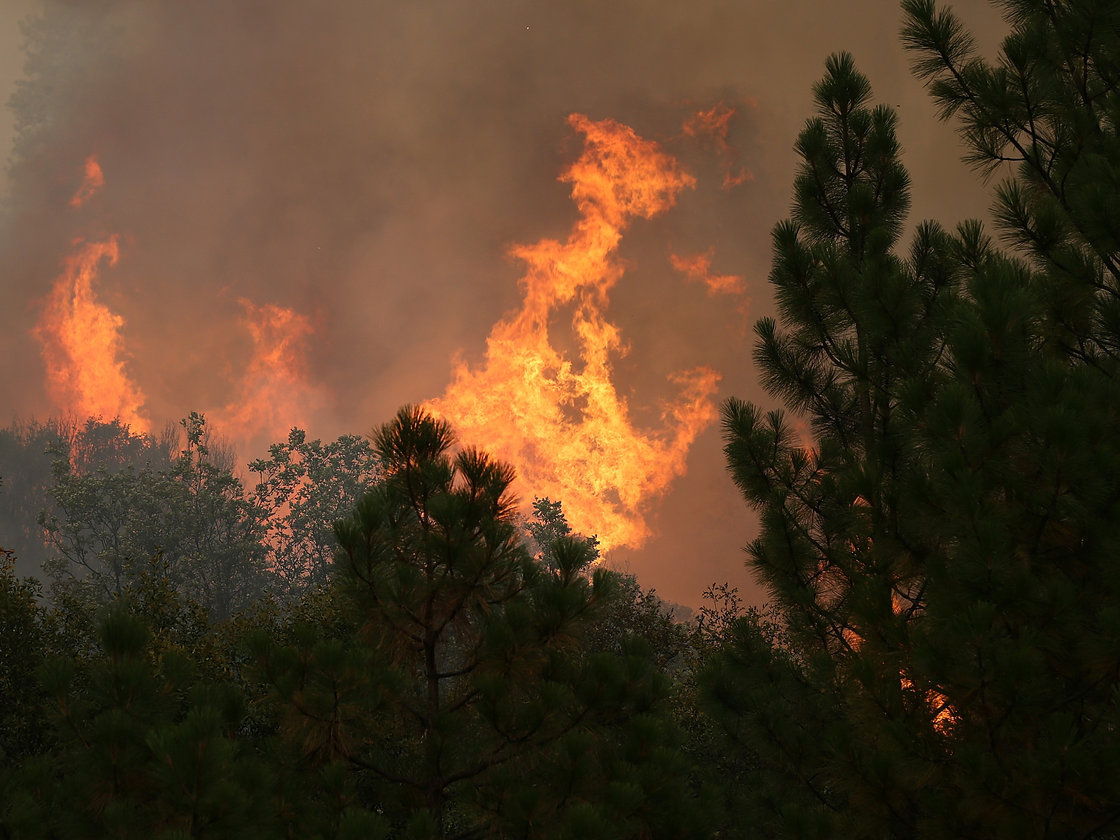
Yosemite National Park – August 24, 2013. “”No temple made with hands can compare with Yosemite… The grandest of all special temples of Nature . (John Muir)
I was disappointed reading the Milwaukee Journal/Sentinel’s report on the National Governors Association’s meeting held earlier this month in Milwaukee, particularly that their agenda did not even include the growing threat of climate change and what steps the governors might take to reduce their state’s contributions to the rising concentrations of greenhouse gases in the atmosphere, as well as how they might better help their state populations cope with increasingly more severe weather conditions already being witnessed worldwide. The wildfire that has spread into Yosemite National Park is now being called “one of the largest wildfires in recent California history”. It is said to have already burned more than 125,000 acres.
20. Obama’s Speech on Fighting Global Warming: “Too Little, Too Late”?
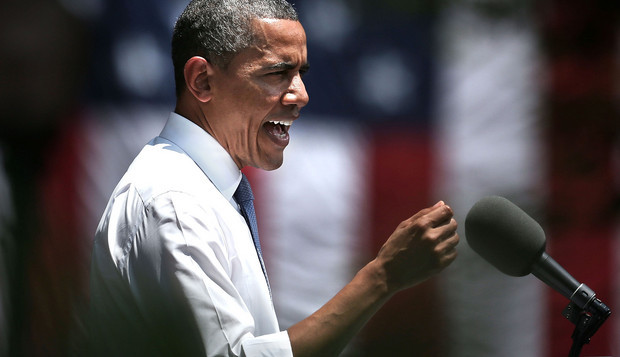
The president’s speech was great in tone and in the way he showed we need immediate action to regulate carbon dioxide emissions from power plants and deal with other countries of the world in the collective reduction in worldwide emissions of greenhouse gases. But the plan lacked detail, especially in how we should all be CONSERVING more energy that is generated by fuel burning in everything we do, especially driving less, flying less (or not at all), and using less energy in our homes and in the places where we visit.
The U. S. Energy Information Administration (EIA) estimates that U.S. gasoline and diesel fuel consumption for transportation in 2012 resulted in the emission of about 1,089 million metric tons from gasoline and 422 million metric tons of CO2 from diesal fuel burning to the atmosphere, respectively, for a total of 1,511 million metric tons of atmospheric CO2 in 2012. This total was equivalent to 83% of total CO2 emissions by the U.S. transportation sector and 29% of total U.S. energy-related CO2 emissions.
Regarding air travel, it is often said that transportation by plane usually results in by far the largest quantities of greenhouse gases (GHG’s) emitted by a person in a year. GHG’s emitted (CO2 and nitrous oxide). This is due to the tremendous quantities of fossil fuels burned in takeoff, climbing and cruising at high elevation in a heavy jet airliner.
In 2011, the average annual electricity consumption for a U.S. residential utility customer was 11,280 kWh. Louisiana had the highest annual consumption at 16,176 kWh and Maine the lowest at 6,252 kWh.
To meaningfully reduce our emissions from transportation and household/business use our Congressional representatives and senators needs to ENACT MAJOR PROGRAMS THIS LEGISLATIVE SESSION. The U. S. Congress should enact programs that offer voluntarily “positive financial incentives” ($) to Americans who limit their carbon dioxide emissions to minimal levels, as measured by their annual mileage driven in automobiles (all registered vehicles they own) over a year’s time. It is not enough to rely on vehicle energy efficiency improvements to reduce CO2 emissions by transportation since studies have shown than most people who buy more fuel efficient cars eventually drive even more miles per year than they did before, not less, which therefore negates the fuel efficiency caused greenhouse gas (GHG) reductions.
These programs should be funded by taking away the many tax exemptions now given to fossil fuel development corporation, reductions in funding the military industrial complex, and by eliminating major expansions to highways and airports and by avoiding the construction of new power sources due to increased conservation of energy in homes and increased energy supplies from wind and solar sources. The money should then be directed into funding for offering positive financial incentives for people to drive less (miles) (or not drive at all); to avoid flying; and to use less fossil fuel derived energy in their homes or businesses. People who already chose to walk, ride buses, and not fly airplanes would benefit financially by this program, as would individuals, families and business who use less fossil fuel derived energy in heating and electrifying their homes and businesses.
More details on the financial incentives plan are contained in: “Positive Financial Incentives: An Environmentally Just Approach for Reducing Greenhouse Gas Emissions”, published earlier on this blog site on May 9, 2013.
“Our lives begin to end the day we become silent about things that matter.”
— Martin Luther King Jr.
19. Enbridge’s Pipeline 67 Tar Sands-Crude Oil Expansion Project
 Photo by Darryl Dyck
In this photo from last year, a worker move logs on the Douglas Channel in British Columbia. The channel is the proposed termination point for an oil pipeline from Alberta as part of the Enbridge Northern Gateway Project.
The tar sands industrial complex is located in northern Alberta, Canada in what was once a pristine natural area. It is now a terribly polluted industrial landscape. The crude oil that originates from this area is already widely criticized for its role in magnifying the climate change threats including extreme weather. According to an opinion piece in the Milwaukee Journal’s online interactive site by Eric Hansen, the Alberta tar sands-crude oil activities are now emerging as “a serious threat to Earth’s finest collection of freshwater: Lake Superior and the upper Great Lakes”.
Enbridge’s pipeline 67, the linchpin of the whole plan, runs from Alberta to Superior. At Superior, the pipeline splits. One pipeline bisects Wisconsin on its way to Delavan, Wisconsin before continuing south. Some of its crude oil would go to Chicago-area refineries; most is destined for ports and refineries on the Gulf of Mexico.
Another pipeline runs eastward from Superior, before crossing under the Straits of Mackinac to connect to Detroit-area refineries — and others on the Atlantic Ocean.
A third conduit for the tar sans-crude oil is a firm called “Calumet Specialties”, a Superior refiner who wants to ship 13 million barrels per year of crude oil across Lake Superior and through the Great Lakes on barges.
“Proposals for a massive expansion of tar sands crude oil shipments on and around the Great Lakes do not make sense”, he said. Among the waters vulnerable to Canadian pipeline company’s ill-advised plans are Lakes Superior and Michigan as well as the Bois Brule, Namekagon, Chippewa, Wisconsin, Fox and Rock rivers.
Enbridge’s already partially built system expanded to the proposed size would lock in both Wisconsin and our region as a major transportation corridor to ship tar sands crude oil overseas to the world market for decades to come — and a reasonable citizen would be outraged”, according to Hansen.
“Profit and jobs would go to Canada. Crude oil would go overseas. Toxic risk would stay here, sprinkled throughout our region in the crude oil spills, air quality and public health impacts that would certainly come”, he added.
Global warming would also unquestionably be fueled by the massive amount of fossil fuel burning that would be required to continue with this expansion, much less the vast quantities of greenhouse gases that would obviously be emitted by the end combustion of the oil products.
Enbridge’s piecemeal method, linking and converting already existing pipelines with new connectors, has largely escaped the intense public scrutiny and uproar the Keystone XL pipeline proposal has met — so far, according to Hansen.
Tar sands crude oil spills are notoriously difficult to clean up well — and there are serious questions whether the tar sands corrosive qualities make pipeline ruptures inevitable. Tar sands’ raw product is bitumen, similar to asphalt. To move it through a pipeline requires diluting, with benzene (a known carcinogen) for example, high temperatures and increased pumping pressure. Hansen notes that Tar sands developers want to triple their production of crude oil from the tar sands.
Yet, unquestionably, Enbridge’s record so far merits alarm, says Hansen: “Just 150 miles east of Milwaukee, our nation’s largest inland crude oil spill began on July 25, 2010, devastating the Kalamazoo River near Marshall, Mich. Cleanup is still incomplete; costs are passing the billion-dollar mark.
“For 17 hours, through three shift changes and multiple alarms going off, Enbridge employees in their Calgary, Alberta, control room did not shut down the pipeline. That only happened when a Michigan utility worker called. Meanwhile, 840,000 gallons of crude oil spilled. The Key information was only shared a week later: The spill was tar sands, not conventional crude oil.
Wisconsinites should not allow this project to continue. Federal and state permits for the Enbridge pipeline 67 expansionshould not be grated, and the oil barges and other hazardous crude oil proposals be denied.
The crude bitumen contained in the Canadian oil sands is described as petroleum that exists in the semi-solid or solid phase in natural deposits. Bitumen is a thick, sticky form of hydrocarbon, so heavy and viscous (thick) that it will not flow unless heated or diluted with lighter hydrocarbons. At room temperature, it is much like cold molasses. Making liquid fuels from oil sands requires energy (fossil fuel burning) for steam injection and refining. This process generates 12 percent more greenhouse gases per barrel of crude oil than extraction of conventional oil.
So not only are our Great Lakes Region’s waters likely to be impacted negatively by this massive project proposed by Enbridge company, but our Great Lakes’ climate is also at risk as will the overall climate. The Pipeline 67 Expansion may end up as the last straw that breaks the camel’s back.
Enbridge’s proposed “Pipeline 67” Expansion DOUBLES the flow of heated, tar sands-crude oil,which would be pumped 990 miles from northern Alberta, Canada, to Superior, Wisconsin, from the current 440,000 BARRELS of crude oil PER DAY, to 880,000 BARRELS of crude oil PER DAY. For each gallon of gasoline burned, almost 20 pounds of carbon dioxide is released to the atmosphere. For each person mile traveled by jet aircrafraft, the carbon dioxide emitted ranges from 40 – 65 pounds per mile, with the shorter trips resulting in higher pounds per mile due to the inefficiencies of starting and climbing.
In summary, there are large quantities of fossil fuels burned in processing of the tar sands into crude oil at the Alberta mine site, resulting in the release of millions of ton of greenhouses gases to the atmosphere every year. Additional energy is used to pump the crude oil to the refinery sites, causing the release of more greenhouse gases; additional energy is used in refining the crude oil into it’s final end products: gasoline, jet fuel, diesel fuel and heating oil.
Transporting these end products to their final destinations requires yet more fossil fuel combustion in making the transport, which results in even more greenhouse gases being emitted to the atmosphere. Finally, the end product fuels (gasoline, jet fuel, diesel fuel) from this process which are purchased by fossil fuel consumers – owners/users of airplanes, trucks, automobiles, trains, ships, buses, factories, heating plants, motorized recreational vehicles, etc. – and then burned for their energy value end up releasing vastly more millions of tons of greenhouse gases to the earth’s atmosphere, where those gases can remain for upwards of a century, or more, compounding with former releases from the past, with the result that we are heating the atmosphere at at increasingly faster rate each decade that progresses, causing the oceans, polar ice caps, glaciers and large body lakes to warm at unprecedented rates, resulting in the acidification of ocean sea water and the rising of ocean sea levels. in this country and abroad.
The Milwaukee Journal online news reports that: “Enbridge’s piecemeal method, linking and converting already existing pipelines with new connectors, has largely escaped the intense public scrutiny and uproar the Keystone XL pipeline proposal has met — so far.” At Superior, the pipeline splits. One pipeline bisects Wisconsin before continuing south, with some of its crude destined for the Chicago-area, with the majority of the to ports and refineries on the Gulf of Mexico. Enbridge’s initial tar sands-crude oil pipeline expansion proposal was supposedly approved by the Wisconsin Department of Natural Resources in 2007.
18. President Obama’s Speech on Global Warming – A “Must Read” for Every American
Transcript of President Barack Obama’s June 25, 2013 speech at Georgetown University, Washington, DC, unveiling his new policies to confront global warming:
THE PRESIDENT: Thank you! (Applause.) Thank you, Georgetown! Thank you so much. Everybody, please be seated. And my first announcement today is that you should all take off your jackets. (Laughter.) I’m going to do the same. (Applause.) It’s not that sexy, now. (Laughter.)
It is good to be back on campus, and it is a great privilege to speak from the steps of this historic hall that welcomed Presidents going back to George Washington.
I want to thank your president, President DeGioia, who’s here today. (Applause.) I want to thank him for hosting us. I want to thank the many members of my Cabinet and my administration. I want to thank Leader Pelosi and the members of Congress who are here. We are very grateful for their support.
And I want to say thank you to the Hoyas in the house for having me back. (Applause.) It was important for me to speak directly to your generation, because the decisions that we make now and in the years ahead will have a profound impact on the world that all of you inherit.
On Christmas Eve, 1968, the astronauts of Apollo 8 did a live broadcast from lunar orbit. So Frank Borman, Jim Lovell, William Anders — the first humans to orbit the moon — described what they saw, and they read Scripture from the Book of Genesis to the rest of us back here. And later that night, they took a photo that would change the way we see and think about our world.
It was an image of Earth — beautiful; breathtaking; a glowing marble of blue oceans, and green forests, and brown mountains brushed with white clouds, rising over the surface of the moon.
And while the sight of our planet from space might seem routine today, imagine what it looked like to those of us seeing our home, our planet, for the first time. Imagine what it looked like to children like me. Even the astronauts were amazed. “It makes you realize,” Lovell would say, “just what you have back there on Earth.”
And around the same time we began exploring space, scientists were studying changes taking place in the Earth’s atmosphere. Now, scientists had known since the 1800s that greenhouse gases like carbon dioxide trap heat, and that burning fossil fuels release those gases into the air. That wasn’t news. But in the late 1950s, the National Weather Service began measuring the levels of carbon dioxide in our atmosphere, with the worry that rising levels might someday disrupt the fragile balance that makes our planet so hospitable. And what they’ve found, year after year, is that the levels of carbon pollution in our atmosphere have increased dramatically.
That science, accumulated and reviewed over decades, tells us that our planet is changing in ways that will have profound impacts on all of humankind.
The 12 warmest years in recorded history have all come in the last 15 years. Last year, temperatures in some areas of the ocean reached record highs, and ice in the Arctic shrank to its smallest size on record — faster than most models had predicted it would. These are facts.
Now, we know that no single weather event is caused solely by climate change. Droughts and fires and floods, they go back to ancient times. But we also know that in a world that’s warmer than it used to be, all weather events are affected by a warming planet. The fact that sea level in New York, in New York Harbor, are now a foot higher than a century ago — that didn’t cause Hurricane Sandy, but it certainly contributed to the destruction that left large parts of our mightiest city dark and underwater.
The potential impacts go beyond rising sea levels. Here at home, 2012 was the warmest year in our history. Midwest farms were parched by the worst drought since the Dust Bowl, and then drenched by the wettest spring on record. Western wildfires scorched an area larger than the state of Maryland. Just last week, a heat wave in Alaska shot temperatures into the 90s.
And we know that the costs of these events can be measured in lost lives and lost livelihoods, lost homes, lost businesses, hundreds of billions of dollars in emergency services and disaster relief. In fact, those who are already feeling the effects of climate change don’t have time to deny it — they’re busy dealing with it. Firefighters are braving longer wildfire seasons, and states and federal governments have to figure out how to budget for that. I had to sit on a meeting with the Department of Interior and Agriculture and some of the rest of my team just to figure out how we’re going to pay for more and more expensive fire seasons.
Farmers see crops wilted one year, washed away the next; and the higher food prices get passed on to you, the American consumer. Mountain communities worry about what smaller snowpacks will mean for tourism — and then, families at the bottom of the mountains wonder what it will mean for their drinking water. Americans across the country are already paying the price of inaction in insurance premiums, state and local taxes, and the costs of rebuilding and disaster relief.
So the question is not whether we need to act. The overwhelming judgment of science — of chemistry and physics and millions of measurements — has put all that to rest. Ninety-seven percent of scientists, including, by the way, some who originally disputed the data, have now put that to rest. They’ve acknowledged the planet is warming and human activity is contributing to it.
So the question now is whether we will have the courage to act before it’s too late. And how we answer will have a profound impact on the world that we leave behind not just to you, but to your children and to your grandchildren.
As a President, as a father, and as an American, I’m here to say we need to act.
I refuse to condemn your generation and future generations to a planet that’s beyond fixing. And that’s why, today, I’m announcing a new national climate action plan, and I’m here to enlist your generation’s help in keeping the United States of America a leader — a global leader — in the fight against climate change.
This plan builds on progress that we’ve already made. Last year, I took office — the year that I took office, my administration pledged to reduce America’s greenhouse gas emissions by about 17 percent from their 2005 levels by the end of this decade. And we rolled up our sleeves and we got to work. We doubled the electricity we generated from wind and the sun. We doubled the mileage our cars will get on a gallon of gas by the middle of the next decade.
Here at Georgetown, I unveiled my strategy for a secure energy future. And thanks to the ingenuity of our businesses, we’re starting to produce much more of our own energy. We’re building the first nuclear power plants in more than three decades — in Georgia and South Carolina. For the first time in 18 years, America is poised to produce more of our own oil than we buy from other nations. And today, we produce more natural gas than anybody else. So we’re producing energy. And these advances have grown our economy, they’ve created new jobs, they can’t be shipped overseas — and, by the way, they’ve also helped drive our carbon pollution to its lowest levels in nearly 20 years. Since 2006, no country on Earth has reduced its total carbon pollution by as much as the United States of America.
So it’s a good start. But the reason we’re all here in the heat today is because we know we’ve got more to do.
In my State of the Union address, I urged Congress to come up with a bipartisan, market-based solution to climate change, like the one that Republican and Democratic senators worked on together a few years ago. And I still want to see that happen. I’m willing to work with anyone to make that happen.
But this is a challenge that does not pause for partisan gridlock. It demands our attention now. And this is my plan to meet it — a plan to cut carbon pollution; a plan to protect our country from the impacts of climate change; and a plan to lead the world in a coordinated assault on a changing climate.
This plan begins with cutting carbon pollution by changing the way we use energy — using less dirty energy, using more clean energy, wasting less energy throughout our economy.
Forty-three years ago, Congress passed a law called the Clean Air Act of 1970. It was a good law. The reasoning behind it was simple: New technology can protect our health by protecting the air we breathe from harmful pollution. And that law passed the Senate unanimously. Think about that — it passed the Senate unanimously. It passed the House of Representatives 375 to 1. I don’t know who the one guy was — I haven’t looked that up. You can barely get that many votes to name a post office these days.
It was signed into law by a Republican President. It was later strengthened by another Republican President. This used to be a bipartisan issue.
Six years ago, the Supreme Court ruled that greenhouse gases are pollutants covered by that same Clean Air Act. And they required the Environmental Protection Agency, the EPA, to determine whether they’re a threat to our health and welfare. In 2009, the EPA determined that they are a threat to both our health and our welfare in many different ways — from dirtier air to more common heat waves — and, therefore, subject to regulation.
Today, about 40 percent of America’s carbon pollution comes from our power plants. But here’s the thing: Right now, there are no federal limits to the amount of carbon pollution that those plants can pump into our air. None. Zero. We limit the amount of toxic chemicals like mercury and sulfur and arsenic in our air or our water, but power plants can still dump unlimited amounts of carbon pollution into the air for free. That’s not right, that’s not safe, and it needs to stop.
So today, for the sake of our children, and the health and safety of all Americans, I’m directing the Environmental Protection Agency to put an end to the limitless dumping of carbon pollution from our power plants, and complete new pollution standards for both new and existing power plants.
I’m also directing the EPA to develop these standards in an open and transparent way, to provide flexibility to different states with different needs, and build on the leadership that many states, and cities, and companies have already shown. In fact, many power companies have already begun modernizing their plants, and creating new jobs in the process. Others have shifted to burning cleaner natural gas instead of dirtier fuel sources.
Nearly a dozen states have already implemented or are implementing their own market-based programs to reduce carbon pollution. More than 25 have set energy efficiency targets. More than 35 have set renewable energy targets. Over 1,000 mayors have signed agreements to cut carbon pollution. So the idea of setting higher pollution standards for our power plants is not new. It’s just time for Washington to catch up with the rest of the country. And that’s what we intend to do.
Now, what you’ll hear from the special interests and their allies in Congress is that this will kill jobs and crush the economy, and basically end American free enterprise as we know it. And the reason I know you’ll hear those things is because that’s what they said every time America sets clear rules and better standards for our air and our water and our children’s health. And every time, they’ve been wrong.
For example, in 1970, when we decided through the Clean Air Act to do something about the smog that was choking our cities — and, by the way, most young people here aren’t old enough to remember what it was like, but when I was going to school in 1979-1980 in Los Angeles, there were days where folks couldn’t go outside. And the sunsets were spectacular because of all the pollution in the air.
But at the time when we passed the Clean Air Act to try to get rid of some of this smog, some of the same doomsayers were saying new pollution standards will decimate the auto industry.
Guess what — it didn’t happen. Our air got cleaner.
In 1990, when we decided to do something about acid rain, they said our electricity bills would go up, the lights would go off, businesses around the country would suffer — I quote — “a quiet death.” None of it happened, except we cut acid rain dramatically.
See, the problem with all these tired excuses for inaction is that it suggests a fundamental lack of faith in American business and American ingenuity. These critics seem to think that when we ask our businesses to innovate and reduce pollution and lead, they can’t or they won’t do it. They’ll just kind of give up and quit. But in America, we know that’s not true. Look at our history.
When we restricted cancer-causing chemicals in plastics and leaded fuel in our cars, it didn’t end the plastics industry or the oil industry. American chemists came up with better substitutes. When we phased out CFCs — the gases that were depleting the ozone layer — it didn’t kill off refrigerators or air-conditioners or deodorant. American workers and businesses figured out how to do it better without harming the environment as much.
The fuel standards that we put in place just a few years ago didn’t cripple automakers. The American auto industry retooled, and today, our automakers are selling the best cars in the world at a faster rate than they have in five years — with more hybrid, more plug-in, more fuel-efficient cars for everybody to choose from.
So the point is, if you look at our history, don’t bet against American industry. Don’t bet against American workers. Don’t tell folks that we have to choose between the health of our children or the health of our economy.
The old rules may say we can’t protect our environment and promote economic growth at the same time, but in America, we’ve always used new technologies — we’ve used science; we’ve used research and development and discovery to make the old rules obsolete.
Today, we use more clean energy — more renewables and natural gas — which is supporting hundreds of thousands of good jobs. We waste less energy, which saves you money at the pump and in your pocketbooks. And guess what — our economy is 60 percent bigger than it was 20 years ago, while our carbon emissions are roughly back to where they were 20 years ago.
So, obviously, we can figure this out. It’s not an either/or; it’s a both/and. We’ve got to look after our children; we have to look after our future; and we have to grow the economy and create jobs. We can do all of that as long as we don’t fear the future; instead we seize it.
And, by the way, don’t take my word for it — recently, more than 500 businesses, including giants like GM and Nike, issued a Climate Declaration, calling action on climate change “one of the great economic opportunities of the 21st century.” Walmart is working to cut its carbon pollution by 20 percent and transition completely to renewable energy. Walmart deserves a cheer for that. But think about it. Would the biggest company, the biggest retailer in America — would they really do that if it weren’t good for business, if it weren’t good for their shareholders?
A low-carbon, clean energy economy can be an engine of growth for decades to come. And I want America to build that engine. I want America to build that future — right here in the United States of America. That’s our task.
Now, one thing I want to make sure everybody understands — this does not mean that we’re going to suddenly stop producing fossil fuels. Our economy wouldn’t run very well if it did. And transitioning to a clean energy economy takes time. But when the doomsayers trot out the old warnings that these ambitions will somehow hurt our energy supply, just remind them that America produced more oil than we have in 15 years. What is true is that we can’t just drill our way out of the energy and climate challenge that we face. That’s not possible.
I put forward in the past an all-of-the-above energy strategy, but our energy strategy must be about more than just producing more oil. And, by the way, it’s certainly got to be about more than just building one pipeline.
Now, I know there’s been, for example, a lot of controversy surrounding the proposal to build a pipeline, the Keystone pipeline, that would carry oil from Canadian tar sands down to refineries in the Gulf. And the State Department is going through the final stages of evaluating the proposal. That’s how it’s always been done. But I do want to be clear: Allowing the Keystone pipeline to be built requires a finding that doing so would be in our nation’s interest. And our national interest will be served only if this project does not significantly exacerbate the problem of carbon pollution. The net effects of the pipeline’s impact on our climate will be absolutely critical to determining whether this project is allowed to go forward. It’s relevant.
Now, even as we’re producing more domestic oil, we’re also producing more cleaner-burning natural gas than any other country on Earth. And, again, sometimes there are disputes about natural gas, but let me say this: We should strengthen our position as the top natural gas producer because, in the medium term at least, it not only can provide safe, cheap power, but it can also help reduce our carbon emissions.
Federally supported technology has helped our businesses drill more effectively and extract more gas. And now, we’ll keep working with the industry to make drilling safer and cleaner, to make sure that we’re not seeing methane emissions, and to put people to work modernizing our natural gas infrastructure so that we can power more homes and businesses with cleaner energy.
The bottom line is natural gas is creating jobs. It’s lowering many families’ heat and power bills. And it’s the transition fuel that can power our economy with less carbon pollution even as our businesses work to develop and then deploy more of the technology required for the even cleaner energy economy of the future.
And that brings me to the second way that we’re going to reduce carbon pollution — by using more clean energy. Over the past four years, we’ve doubled the electricity that we generate from zero-carbon wind and solar power. And that means jobs — jobs manufacturing the wind turbines that now generate enough electricity to power nearly 15 million homes; jobs installing the solar panels that now generate more than four times the power at less cost than just a few years ago.
I know some Republicans in Washington dismiss these jobs, but those who do need to call home — because 75 percent of all wind energy in this country is generated in Republican districts. And that may explain why last year, Republican governors in Kansas and Oklahoma and Iowa — Iowa, by the way, a state that harnesses almost 25 percent of its electricity from the wind — helped us in the fight to extend tax credits for wind energy manufacturers and producers. Tens of thousands good jobs were on the line, and those jobs were worth the fight.
And countries like China and Germany are going all in in the race for clean energy. I believe Americans build things better than anybody else. I want America to win that race, but we can’t win it if we’re not in it.
So the plan I’m announcing today will help us double again our energy from wind and sun. Today, I’m directing the Interior Department to green light enough private, renewable energy capacity on public lands to power more than 6 million homes by 2020.
The Department of Defense — the biggest energy consumer in America — will install 3 gigawatts of renewable power on its bases, generating about the same amount of electricity each year as you’d get from burning 3 million tons of coal.
And because billions of your tax dollars continue to still subsidize some of the most profitable corporations in the history of the world, my budget once again calls for Congress to end the tax breaks for big oil companies, and invest in the clean-energy companies that will fuel our future.
Now, the third way to reduce carbon pollution is to waste less energy — in our cars, our homes, our businesses. The fuel standards we set over the past few years mean that by the middle of the next decade, the cars and trucks we buy will go twice as far on a gallon of gas. That means you’ll have to fill up half as often; we’ll all reduce carbon pollution. And we built on that success by setting the first-ever standards for heavy-duty trucks and buses and vans. And in the coming months, we’ll partner with truck makers to do it again for the next generation of vehicles.
Meanwhile, the energy we use in our homes and our businesses and our factories, our schools, our hospitals — that’s responsible for about one-third of our greenhouse gases. The good news is simple upgrades don’t just cut that pollution; they put people to work — manufacturing and installing smarter lights and windows and sensors and appliances. And the savings show up in our electricity bills every month — forever. That’s why we’ve set new energy standards for appliances like refrigerators and dishwashers. And today, our businesses are building better ones that will also cut carbon pollution and cut consumers’ electricity bills by hundreds of billions of dollars.
That means, by the way, that our federal government also has to lead by example. I’m proud that federal agencies have reduced their greenhouse gas emissions by more than 15 percent since I took office. But we can do even better than that. So today, I’m setting a new goal: Your federal government will consume 20 percent of its electricity from renewable sources within the next seven years. We are going to set that goal.
We’ll also encourage private capital to get off the sidelines and get into these energy-saving investments. And by the end of the next decade, these combined efficiency standards for appliances and federal buildings will reduce carbon pollution by at least three billion tons. That’s an amount equal to what our entire energy sector emits in nearly half a year.
So I know these standards don’t sound all that sexy, but think of it this way: That’s the equivalent of planting 7.6 billion trees and letting them grow for 10 years — all while doing the dishes. It is a great deal and we need to be doing it.
So using less dirty energy, transitioning to cleaner sources of energy, wasting less energy through our economy is where we need to go. And this plan will get us there faster. But I want to be honest — this will not get us there overnight. The hard truth is carbon pollution has built up in our atmosphere for decades now. And even if we Americans do our part, the planet will slowly keep warming for some time to come. The seas will slowly keep rising and storms will get more severe, based on the science. It’s like tapping the brakes of a car before you come to a complete stop and then can shift into reverse. It’s going to take time for carbon emissions to stabilize.
So in the meantime, we’re going to need to get prepared. And that’s why this plan will also protect critical sectors of our economy and prepare the United States for the impacts of climate change that we cannot avoid. States and cities across the country are already taking it upon themselves to get ready. Miami Beach is hardening its water supply against seeping saltwater. We’re partnering with the state of Florida to restore Florida’s natural clean water delivery system — the Everglades.
The overwhelmingly Republican legislature in Texas voted to spend money on a new water development bank as a long-running drought cost jobs and forced a town to truck in water from the outside.
New York City is fortifying its 520 miles of coastline as an insurance policy against more frequent and costly storms. And what we’ve learned from Hurricane Sandy and other disasters is that we’ve got to build smarter, more resilient infrastructure that can protect our homes and businesses, and withstand more powerful storms. That means stronger seawalls, natural barriers, hardened power grids, hardened water systems, hardened fuel supplies.
So the budget I sent Congress includes funding to support communities that build these projects, and this plan directs federal agencies to make sure that any new project funded with taxpayer dollars is built to withstand increased flood risks.
And we’ll partner with communities seeking help to prepare for droughts and floods, reduce the risk of wildfires, protect the dunes and wetlands that pull double duty as green space and as natural storm barriers. And we’ll also open our climate data and NASA climate imagery to the public, to make sure that cities and states assess risk under different climate scenarios, so that we don’t waste money building structures that don’t withstand the next storm.
So that’s what my administration will do to support the work already underway across America, not only to cut carbon pollution, but also to protect ourselves from climate change. But as I think everybody here understands, no nation can solve this challenge alone — not even one as powerful as ours. And that’s why the final part of our plan calls on America to lead — lead international efforts to combat a changing climate.
And make no mistake — the world still looks to America to lead. When I spoke to young people in Turkey a few years ago, the first question I got wasn’t about the challenges that part of the world faces. It was about the climate challenge that we all face, and America’s role in addressing it. And it was a fair question, because as the world’s largest economy and second-largest carbon emitter, as a country with unsurpassed ability to drive innovation and scientific breakthroughs, as the country that people around the world continue to look to in times of crisis, we’ve got a vital role to play. We can’t stand on the sidelines. We’ve got a unique responsibility. And the steps that I’ve outlined today prove that we’re willing to meet that responsibility.
Though all America’s carbon pollution fell last year, global carbon pollution rose to a record high. That’s a problem. Developing countries are using more and more energy, and tens of millions of people entering a global middle class naturally want to buy cars and air-conditioners of their own, just like us. Can’t blame them for that. And when you have conversations with poor countries, they’ll say, well, you went through these stages of development — why can’t we?
But what we also have to recognize is these same countries are also more vulnerable to the effects of climate change than we are. They don’t just have as much to lose, they probably have more to lose.
Developing nations with some of the fastest-rising levels of carbon pollution are going to have to take action to meet this challenge alongside us. They’re watching what we do, but we’ve got to make sure that they’re stepping up to the plate as well. We compete for business with them, but we also share a planet. And we have to all shoulder the responsibility for keeping the planet habitable, or we’re going to suffer the consequences — together.
So to help more countries transitioning to cleaner sources of energy and to help them do it faster, we’re going to partner with our private sector to apply private sector technological know-how in countries that transition to natural gas. We’ve mobilized billions of dollars in private capital for clean energy projects around the world.
Today, I’m calling for an end of public financing for new coal plants overseas — unless they deploy carbon-capture technologies, or there’s no other viable way for the poorest countries to generate electricity. And I urge other countries to join this effort.
And I’m directing my administration to launch negotiations toward global free trade in environmental goods and services, including clean energy technology, to help more countries skip past the dirty phase of development and join a global low-carbon economy. They don’t have to repeat all the same mistakes that we made.
We’ve also intensified our climate cooperation with major emerging economies like India and Brazil, and China — the world’s largest emitter. So, for example, earlier this month, President Xi of China and I reached an important agreement to jointly phase down our production and consumption of dangerous hydrofluorocarbons, and we intend to take more steps together in the months to come. It will make a difference. It’s a significant step in the reduction of carbon emissions.
And finally, my administration will redouble our efforts to engage our international partners in reaching a new global agreement to reduce carbon pollution through concrete action.
Four years ago, in Copenhagen, every major country agreed, for the first time, to limit carbon pollution by 2020. Two years ago, we decided to forge a new agreement beyond 2020 that would apply to all countries, not just developed countries.
What we need is an agreement that’s ambitious — because that’s what the scale of the challenge demands. We need an inclusive agreement — because every country has to play its part. And we need an agreement that’s flexible — because different nations have different needs. And if we can come together and get this right, we can define a sustainable future for your generation.
So that’s my plan. The actions I’ve announced today should send a strong signal to the world that America intends to take bold action to reduce carbon pollution. We will continue to lead by the power of our example, because that’s what the United States of America has always done.
I am convinced this is the fight America can, and will, lead in the 21st century. And I’m convinced this is a fight that America must lead. But it will require all of us to do our part.
We’ll need scientists to design new fuels, and we’ll need farmers to grow new fuels. We’ll need engineers to devise new technologies, and we’ll need businesses to make and sell those technologies. We’ll need workers to operate assembly lines that hum with high-tech, zero-carbon components, but we’ll also need builders to hammer into place the foundations for a new clean energy era.
We’re going to need to give special care to people and communities that are unsettled by this transition — not just here in the United States but around the world. And those of us in positions of responsibility, we’ll need to be less concerned with the judgment of special interests and well-connected donors, and more concerned with the judgment of posterity. Because you and your children, and your children’s children, will have to live with the consequences of our decisions.
As I said before, climate change has become a partisan issue, but it hasn’t always been. It wasn’t that long ago that Republicans led the way on new and innovative policies to tackle these issues. Richard Nixon opened the EPA. George H.W. Bush declared — first U.S. President to declare — “human activities are changing the atmosphere in unexpected and unprecedented ways.”
Someone who never shies away from a challenge, John McCain, introduced a market-based cap-and-trade bill to slow carbon pollution.
The woman that I’ve chosen to head up the EPA, Gina McCarthy, she’s worked — she’s terrific. Gina has worked for the EPA in my administration, but she’s also worked for five Republican governors. She’s got a long track record of working with industry and business leaders to forge common-sense solutions. Unfortunately, she’s being held up in the Senate. She’s been held up for months, forced to jump through hoops no Cabinet nominee should ever have to — not because she lacks qualifications, but because there are too many in the Republican Party right now who think that the Environmental Protection Agency has no business protecting our environment from carbon pollution. The Senate should confirm her without any further obstruction or delay.
But more broadly, we’ve got to move beyond partisan politics on this issue. I want to be clear — I am willing to work with anybody — Republicans, Democrats, independents, libertarians, greens — anybody — to combat this threat on behalf of our kids. I am open to all sorts of new ideas, maybe better ideas, to make sure that we deal with climate change in a way that promotes jobs and growth.
Nobody has a monopoly on what is a very hard problem, but I don’t have much patience for anyone who denies that this challenge is real. We don’t have time for a meeting of the Flat Earth Society. Sticking your head in the sand might make you feel safer, but it’s not going to protect you from the coming storm. And ultimately, we will be judged as a people, and as a society, and as a country on where we go from here.
Our founders believed that those of us in positions of power are elected not just to serve as custodians of the present, but as caretakers of the future. And they charged us to make decisions with an eye on a longer horizon than the arc of our own political careers. That’s what the American people expect. That’s what they deserve.
And someday, our children, and our children’s children, will look at us in the eye and they’ll ask us, did we do all that we could when we had the chance to deal with this problem and leave them a cleaner, safer, more stable world? And I want to be able to say, yes, we did. Don’t you want that?
Americans are not a people who look backwards; we’re a people who look forward. We’re not a people who fear what the future holds; we shape it. What we need in this fight are citizens who will stand up, and speak up, and compel us to do what this moment demands.
Understand this is not just a job for politicians. So I’m going to need all of you to educate your classmates, your colleagues, your parents, your friends. Tell them what’s at stake. Speak up at town halls, church groups, PTA meetings. Push back on misinformation. Speak up for the facts. Broaden the circle of those who are willing to stand up for our future.
Convince those in power to reduce our carbon pollution. Push your own communities to adopt smarter practices. Invest. Divest. Remind folks there’s no contradiction between a sound environment and strong economic growth. And remind everyone who represents you at every level of government that sheltering future generations against the ravages of climate change is a prerequisite for your vote. Make yourself heard on this issue.
I understand the politics will be tough. The challenge we must accept will not reward us with a clear moment of victory. There’s no gathering army to defeat. There’s no peace treaty to sign. When President Kennedy said we’d go to the moon within the decade, we knew we’d build a spaceship and we’d meet the goal. Our progress here will be measured differently — in crises averted, in a planet preserved. But can we imagine a more worthy goal? For while we may not live to see the full realization of our ambition, we will have the satisfaction of knowing that the world we leave to our children will be better off for what we did.
“It makes you realize,” that astronaut said all those years ago, “just what you have back there on Earth.” And that image in the photograph, that bright blue ball rising over the moon’s surface, containing everything we hold dear — the laughter of children, a quiet sunset, all the hopes and dreams of posterity — that’s what’s at stake. That’s what we’re fighting for. And if we remember that, I’m absolutely sure we’ll succeed.
Thank you. God bless you. God bless the United States of America.

15. Wisconsin’s Proposed State Budget Needs Major Overhaul

The Wisconsin State Journal asked its readers for “letters to the editor” on what needed to be fixed, if anything, in Wisconsin’s state budget bill, which will be taken up by the Wisconsin Legislature starting Tuesday, June 18 (tomorrow). Follow was the letter I submitted:
State money for vouchers and tax exemptions for families who already can afford to send their kids to private schools?
A large tax cut which sends much more money back to people in the state’s higher income brackets than to those unfortunate enough to be in the lower income bracket?
No health care that the poor can afford?
Wisconsin at the bottom of the list for renewable energy development, again (under the Gov. Scott Walker administration), yet nothing in the state budget to raise it up the list?
No mention of the words “global warming”, “climate change”, or “reduce greenhouse gases” in the budget bill, despite the reality of human-caused climate change being well evident now to nearly everyone in Wisconsin, and despite the preponderance of scientific studies backing that up?
Yes, I would say Wisconsin’s state budget needs fixing – A WHOLE LOT OF FIXING!
13. As State Officials in Wisconsin Advance Requirements for Ultrasounds for the Unborn and Vouchers for School Children, New York City Plans for Global Warming

Mayor Michael R. Bloomberg today (6/11/2013) presented “A Stronger, More Resilient New York,” the comprehensive and ambitious report that analyzes the city’s climate risks and outlines recommendations to protect neighborhoods and infrastructure from future climate events. In the aftermath of Hurricane Sandy, Mayor Bloomberg launched the Special Initiative for Rebuilding and Resiliency and charged it with recommending steps the City should take to protect against the impacts of climate change. The Special Initiative produced a 430-page report, “A Stronger, More Resilient New York,” with more than 250 specific recommendations to further fortify the city against climate events. The Mayor released the report Tuesday in an extensive presentation to elected officials, business and community leaders and leading climate experts at the Duggal Greenhouse – which was damaged during Hurricane Sandy and has since reopened as one of the Brooklyn Navy Yard’s 330 businesses.
“‘A Stronger, More Resilient New York’ is the result of a massive effort by the Bloomberg Administration with the active involvement of an array of City agencies and expert advisors,” said Marc Ricks, Chief Operating Officer of the Special Initiative for Rebuilding and Resiliency. “We also benefited from a close partnership with State and Federal agencies, and from extensive input from elected officials, community groups, and over a thousand New Yorkers who participated in our public workshops. With this level of collaboration, I am confident that this report represents the very best thinking about how to make New York safer in the years to come.”
“As bad as Sandy was, future storms could be even worse. In fact, because of rising temperatures and sea levels, even a storm that’s not as large as Sandy could – down the road – be even more destructive… We have to look ahead and anticipate any and all future threats, not only from hurricanes but also from droughts, heavy downpours and heat waves – which may be longer, and more intense, in the years to come.”
New data from the report shows: Sea levels could rise at a faster rate than forecast just four years ago – potentially by more than 2.5 feet by the 2050s; By the 2050s, the city could have three times as many days at or above 90 degrees – leading to heat waves that threaten public health and the power system, among other infrastructure systems; The number of days with more than two inches of rainfall will grow from three in the last century to five in the 2050s. The Panel’s full report, complete with detailed insight of their methodology and findings, is available on http://www.nyc.gov. Proposals to protect city residents are outlined in the report “A Stronger, More Resilient New York.”
The analysis shows that the costs of storms will increase: Sandy totaled $19 billion in damage and economic loss; in 2025, that cost grows to $35 billion and by 2055, $90 billion.
Meanwhile, Wisconsin state governmental officials finalized a state school voucher plan that allows state money to be used for private school K-12 enrollment in Wisconsin, at the expense of public school funding. Wisconsin Republican Governor Scott Walker said he’d sign the school voucher bill after it passed both Republican dominated houses of the state legislature, as well as a bill that passed the State Senate today which requires pregnant mothers to have an ultrasound performed and shown to them before they may legally having an abortion. The same Wisconsin legislators and the governor claim to be doing what’s best for Wisconsin’s children, over the objection of multitudes of mothers, school teachers and many other citizens of the state. And yet at the same time, Wisconsin’s state officials – predominantly Republicans – continue to ignore the growing scientific evidence of global warming, which now undeniably threatens the world of every child and newborn, regardless of which state they live in, to grow up in a world much less hospitable than the one at present.
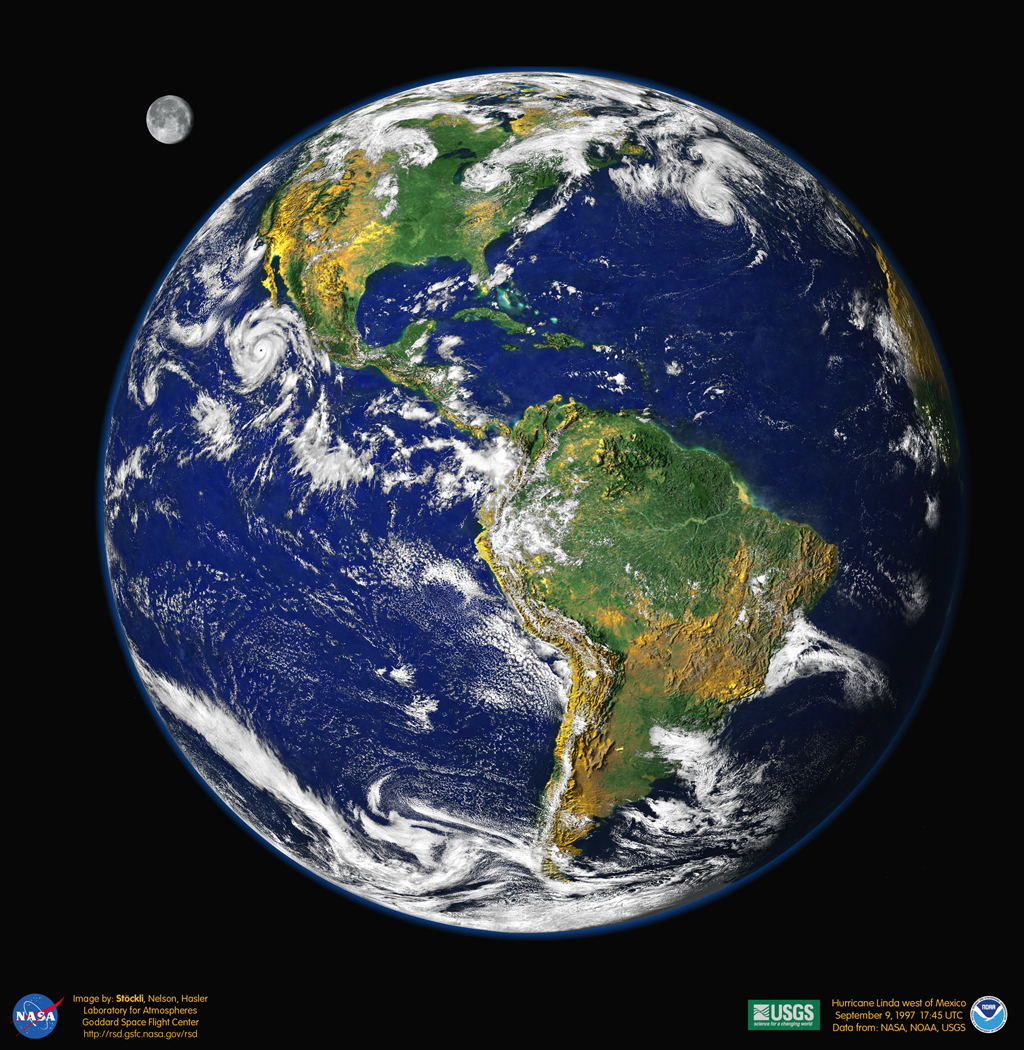
While global warming grows from bad to worse, the State of Wisconsin, which had once prided itself as an environmental leader (which it was), continues to do nothing substantive to reduce its contributions to global warming or to advance protection measures aimed at helping Wisconsin’s future citizens adapt to the changing climate.
8. NOAA: Greenhouse Gas Carbon Dioxide Reaches Milestone of 400 PPM in Earth’s Atmosphere
On May 9, the daily mean concentration of carbon dioxide in the atmosphere of Mauna Loa, Hawaii, surpassed 400 parts per million (ppm) for the first time since measurements began in 1958. Independent measurements made by both NOAA and the Scripps Institution of Oceanography have been approaching this level during the past week. It marks an important milestone because Mauna Loa, as the oldest continuous carbon dioxide (CO2) measurement station in the world, is the primary global benchmark site for monitoring the increase of this potent heat-trapping gas.
Carbon dioxide pumped into the atmosphere by fossil fuel burning and other human activities is the most significant greenhouse gas (GHG) contributing to climate change. Its concentration has increased every year since scientists started making measurements on the slopes of the Mauna Loa volcano more than five decades ago. The rate of increase has accelerated since the measurements started, from about 0.7 ppm per year in the late 1950s to 2.1 ppm per year during the last 10 years.
“That increase is not a surprise to scientists,” said NOAA senior scientist Pieter Tans, with the Global Monitoring Division of NOAA’s Earth System Research Laboratory in Boulder, Colo. “The evidence is conclusive that the strong growth of global CO2 emissions from the burning of coal, oil, and natural gas is driving the acceleration.”
Before the Industrial Revolution in the 19th century, global average CO2 was about 280 ppm. During the last 800,000 years, CO2 fluctuated between about 180 ppm during ice ages and 280 ppm during interglacial warm periods. Today’s rate of increase is more than 100 times faster than the increase that occurred when the last ice age ended.
It was researcher Charles David Keeling of the Scripps Institution of Oceanography, UC San Diego, who began measuring carbon dioxide at Mauna Loa in 1958, initiating now what is known as the “Keeling Curve.” His son, Ralph Keeling, also a geochemist at Scripps, has continued the Scripps measurement record since his father’s death in 2005.
“There’s no stopping CO2 from reaching 400 ppm,” said Ralph Keeling. “That’s now a done deal. But what happens from here on still matters to climate, and it’s still under our control. It mainly comes down to how much we continue to rely on fossil fuels for energy.”
NOAA scientists with the Global Monitoring Division have made around-the-clock measurements there since 1974. Having two programs independently measure the greenhouse gas provides confidence that the measurements are correct.
Moreover, similar increases of CO2 are seen all over the world by many international scientists. NOAA, for example, which runs a global, cooperative air sampling network, reported last year that all Arctic sites in its network reached 400 ppm for the first time. These high values were a prelude to what is now being observed at  http://http://www.esrl.noaa.gov/gmd/ccgg/trends/weekly.html”>Mauna Loa, a site in the subtropics, this year. Sites in the Southern Hemisphere will follow during the next few years. The increase in the Northern Hemisphere is always a little ahead of the Southern Hemisphere because most of the emissions driving the CO2 increase take place in the north.
Once emitted, CO2 added to the atmosphere and oceans remains for thousands of years. Thus, climate changes forced by CO2 depend primarily on cumulative emissions, making it progressively more and more difficult to avoid further substantial climate change.
 All Things Environmental
Recent Comments