
Driven by Climate Change, Algae Blooms Behind Ohio Water Scare Are New Normal

A massive algae bloom in 2011 turned Lake Erie into pea soup.
PHOTOGRAPH BY PETER ESSICK, NATIONAL GEOGRAPHIC
Jane J. Lee
National Geographic
PUBLISHED AUGUST 4, 2014
The toxic algae bloom in Lake Erie that provoked last weekend’s tap water ban in Toledo, Ohio—where nearly half a million people were told not to use water for drinking, cooking, or bathing—is a preview of similar problems to come around the world, scientists say, thanks in part to climate change.
Northwest Ohio’s water ban was lifted Monday morning, but experts say harmful algal blooms that can turn tap water toxic and kill wildlife are becoming more common in coastal oceans and in freshwater across the United States and around the globe.
A toxic algae bloom killed record numbers of manatees in Florida early last year. Another bloom put a record number of marine mammals into California rehabilitation centers earlier this year. (See “Record Number of Seals and Sea Lions Rescued in California.”) They can also result in massive fish kills.
The blooms produce toxins that can cause neurological problems like paralysis and seizures in people, though such effects have been best documented in marine mammals and birds.
“Some of [the increase in blooms] can be attributed to global climate change,” said Timothy Davis, a research ecologist specializing in harmful algal blooms with the National Oceanic and Atmospheric Administration’s (NOAA) Great Lakes Environmental Research Laboratory in Ann Arbor, Michigan.
The algae and bacteria responsible for blooms, including the one that created Toledo’s tap water mess—a type of bacteria known as Microcystis—need warm temperatures and the nutrients phosphorus and nitrogen to grow. Microcystis is a kind of cyanobacteria, often mistakenly referred to as blue-green algae.
Climate change is creating warming waters in many parts of the world, including the Great Lakes. Global warming is also boosting storm intensities in some parts of the world, which can increase the terrestrial runoff that supplies the nutrients that feed algae blooms. (Read about our “fertilized world” in National Geographic magazine.)
The nitrogen and phosphorous in the runoff come from leaky septic tanks and from fertilizers used on farms and lawns.
Lake Erie’s shallow depths—it’s the shallowest of the Great Lakes, with an average depth of 62 feet (19 meters)—also contributed to this year’s algae blooms, said Eric Anderson, a physical oceanographer with NOAA’s Great Lakes Environmental Research Laboratory. The western basin, the location of the current algae bloom, is even shallower, with an average depth of less than 26 feet (8 meters).
The Great Lakes ice extent last winter was the second largest on record, Anderson said, with ice covering Lake Erie well into April. But because Lake Erie is so shallow, water temperatures were able to recover quickly. ” Average surface water temperature in the lake has rebounded to within 1.68 degrees of the average of the last ten years,” he said.
Toxins from algal blooms are of particular concern to water managers around Lake Erie, said Anderson.
Strong winds can drive blooms at the water’s surface down into the depths of the lake, where water intake pipes can draw contaminated water into systems serving municipalities, he said.
It’s unclear whether that happened in Toledo. Samples from other plants that also draw their water from Lake Erie lacked the microcystin toxin that prompted Toledo’s tap water ban, raising questions about how the toxins got into the city’s water.
Not every algae bloom produces toxins. Some kinds of Microcystis blooms—like the one in Lake Erie—produce toxins, while others don’t.
About half of the Microcystis blooms around the world aren’t toxic, said Davis, but “it looks like climate change might be driving these blooms to more toxic strains.” Researchers are still trying to figure out why that may be happening.
Toxic algal blooms can seriously impact the health and economies of coastal and lakeside communities. The microcystin that was found in Toledo’s water can cause vomiting, nausea, dizziness, diarrhea, or numbness.
When these blooms run out of steam and die, bacteria feasting on the decaying matter can suck almost all the oxygen out of the water. This can result in another ecological problem: “dead zones,” or areas of the ocean devoid of life.
Increases in algae blooms are also expanding dead zones around the world. The Gulf of Mexico hosted one last summer about the size of Connecticut. (See “World’s Largest Dead Zone Suffocating Sea.”)
It doesn’t take very long for aquatic systems like Lake Erie to get thrown off balance, Davis said. But it will take patience and long-term management to get the lake healthy again.
“The biggest thing that people need to be aware of is that there’s no short-term solution,” he said. “Our lakes and coastal systems are out of balance.”
So is the climate.
Seen Any Monarch Butterflies Lately?

I did, yesterday, but I had to go to Olbrich Botanical Gardens “Blooming Butterflies” event in Madison to see them.
It use to be that every year, hundreds of millions of monarch butterflies would about now be on their way on what is believed to be the world’s longest insect migration, traveling between the length of North America and central Mexico – some 3,000 miles.
Yet the great monarch migration is in peril, a victim of rampant herbicide use in faraway corn and soybean fields, extreme weather, a tiny microbial pathogen and deforestation. Monarch butterfly populations are plummeting. The dense colonies of butterflies on central Mexican peaks were far smaller this past winter than ever before.
Scientists say Mexico’s monarch butterfly colonies, as many as several million butterflies in one acre, are on the cusp of disappearing. If the species were to vanish, one of the few creatures emblematic of all North America, a beloved insect with powerhouse stamina that even school kids can easily identify, would be gone.
“We see these things as so delicate. But if they migrate a distance of some 2,000 miles, from Canada all the way down to Mexico, they are pretty tough,” said Craig Wilson, a scientist at Texas A University, in a recent article in The Kansas City Star by Tim Johnson.
Scientists who are studying the monarchs’ decline cite many possible reasons, but they’re focusing now on one major one: the decline in the United States of milkweed, a lowly broadleaf plant that’s widely treated as a weed to be eradicated, doused with herbicides in farmlands and along highway shoulders. Milkweed is most common in the high-grass prairies of the Canadian and U.S. Midwest but its 70 varieties also grow along the Atlantic and Pacific coasts, in the Caribbean and elsewhere.
Monarchs can’t survive without milkweed.
Female monarchs lay eggs on milkweed. When they hatch, the larvae grow into caterpillars that feed on the milkweed’s leaves. Those leaves contain a poison that inoculates the monarchs from their predators. The caterpillars then form chrysalises and emerge as butterflies.
Over the past decade, U.S. fields containing milkweed have declined sharply. Orley “Chip” Taylor, a monarch expert at the University of Kansas, calls the loss “massive.”
“We’ve lost something like 24 million acres because of conversion of land to cropland. That’s an area the size of Indiana,” he said.
The advent of genetically modified corn and soybean varieties that can withstand herbicides has added to that loss. Now farmers employ glyphosate herbicides, such as Monsanto’s Roundup, that kill weeds with a vengeance. It’s had a huge impact on milkweed, which before could grow among crops or at the edges of fields.
“The crops survive but any weeds, including milkweed, don’t,” Wilson said.
Faced with vast reductions in milkweed, the size of the colonies of monarchs escaping northern winters has shrunk radically in central Mexico.
Nearly two decades ago, in the winter of 1996-97, dense monarch colonies covered 44.9 acres of oyamel fir forest. In the 2013-14 winter, the colonies covered only 1.7 acres, a plunge of nearly 44 percent from the previous year. The trend seems inexorable, experts said.
“We must turn the tide for monarchs,” said Omar Vidal, the president of WWF-Mexico, a branch of the Switzerland-based World Wide Fund for Nature.
Most monarchs live only a little more than a month. But one generation each year lives seven or eight months, long enough to migrate to central Mexico before winter sets in, where the butterflies settle into a semi-dormant state, often clustering around the same fir trees as their forebears, perhaps drawn by chemical cues. In the spring, the monarchs return to the north, where they lay eggs on milkweed and die, giving way to a new generation.
Other factors may be hurting the monarch population, including extreme conditions associated with climate change. A debilitating protozoan parasite, known in scientific shorthand as OE, also has exploded since 2002 and now affects 10 to 15 percent of monarchs, said Sonia Altizer, an ecologist at the University of Georgia who’s studied monarchs for two decades.
While the dwindling monarch colonies worry scientists, who fear they may also be a warning of other environmental crises, in this region of Mexico the decline threatens people’s livelihood. Butterfly tourism has grown since scientists first came across the dense winter colonies in 1975.
Indigenous people had long known of the butterflies. The Purepecha people called the monarchs the “souls of the departed” because their arrival in early November coincided with festivals honoring the dead.
Taylor has been instrumental in the Monarch Waystation program, which encourages people to recolonize areas as small as their yards with milkweed to serve as stopping points for migrating butterflies. More than 7,500 “Waystations“ now exist, including 400 in Texas alone, and boosters urge federal and state governments to let milkweed grow undisturbed along highways rather than mow it down.
Despite decades of scientific study, mystery still surrounds the monarch, including how it migrates to the same fir patch colonized by earlier generations.
Some experts worry about a variation of “the butterfly effect,” the concept coined by Edward Norton Lorenz, an American meteorologist and pioneer of chaos theory, who suggested that the flapping of a butterfly’s wings could trigger a hurricane on the other side of the globe weeks later.
That theory of interdependence now seems turned on its head. The question today is: What occurs when the monarch stops flapping its wings?
“If monarchs are in trouble _ and they are a really robust species _ you can practically be assured that there are a number of species like pollinators and birds that also are in trouble because they rely on the same habitats as monarchs,” Altizer said.
Many scientists are concerned about the eastern population of monarchs, which spend summer east of the Rocky Mountains. This group is occurring in ever smaller numbers, and its survival may be threatened by a series of natural disasters in the Mexican wintering grounds, as well as by reduced acreage of milkweed plants in their summer home, according to Natural Geographic’s website.
Moon Landing, Meeting Current Needs, Ensuring Earth Remains Sustainable
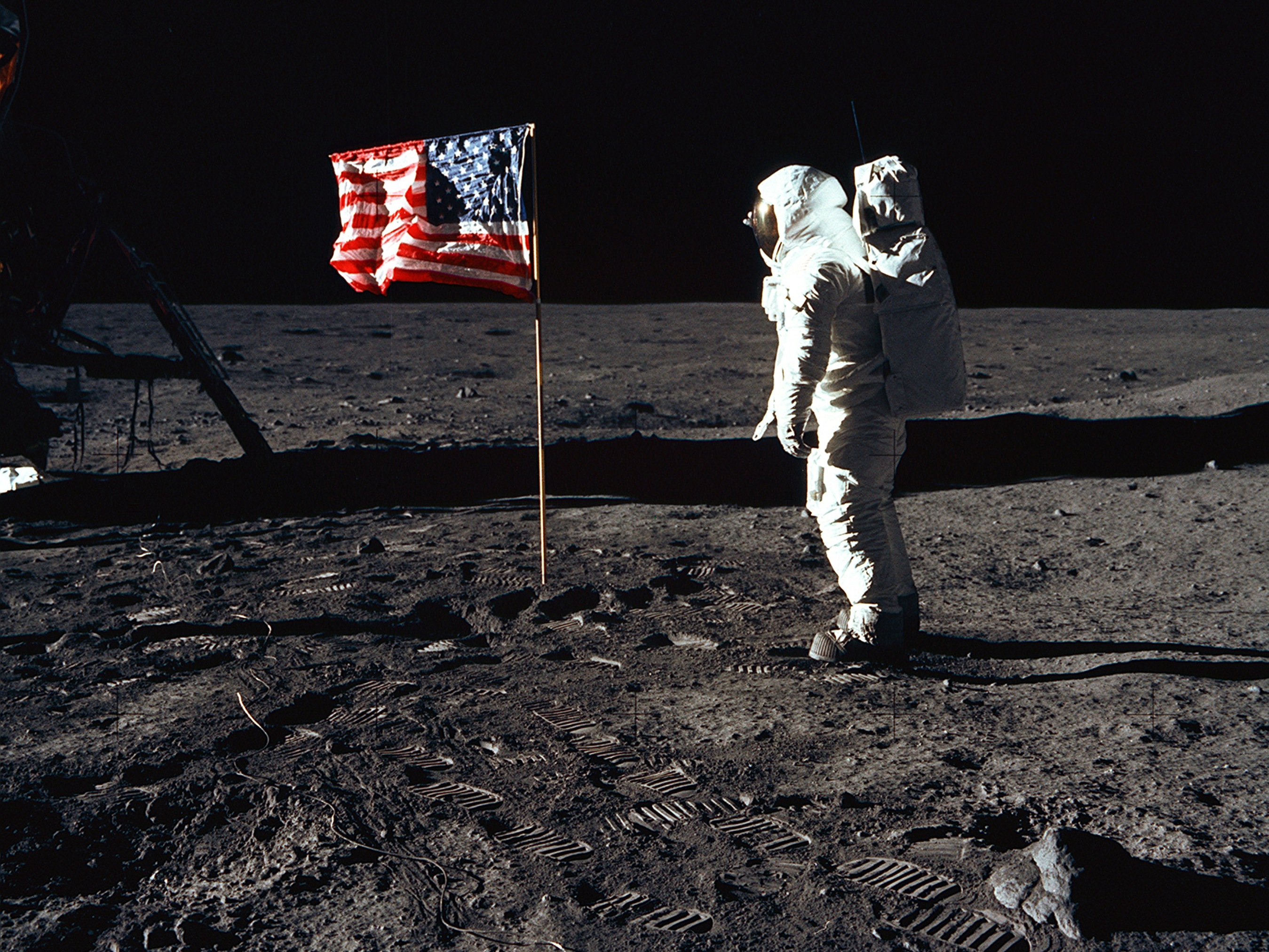
Apollo 11 moon landing. Astronaut Edwin E. “Buzz” Aldrin Jr. poses for a photograph beside the U.S. flag. Photo taken by Neil Armstrong.
We put a man on the moon 45 years ago. Apollo 11 was the spaceflight that landed the first humans on the Moon on July 20, 1969. Six hours later, U.S. Astronaut Neil Armstrong became the first human being to step down onto the lunar surface, on July 21. As he stepped down from the space ship onto the surface, Armstrong declared “one small step for (a) man, one giant leap for mankind.” Astronaut Buzz Aldrin followed and spent slightly less than six hours on the Moon’s surface. Astronaut Michael Collins piloted the command spacecraft alone in lunar orbit until Armstrong and Aldrin returned to the space ship for the trip back to Earth. They returned to Earth and landed in the Pacific Ocean on July 24. That’s the last time the United States set out to accomplish something really big in the world – something that had never been done before – and it succeeded, with flying colors!
Happy 4th of July to all!
We proclaimed ourselves to be a nation by publishing the Declaration of Independence on July 4, 1776.
THE DECLARATION OF INDEPENDENCE
“When in the course of human events, it becomes necessary for one people to dissolve the political bands which have connected them with another, and to assume among the powers of the earth, the separate and equal station to which the Laws of Nature and of Nature’s God entitle them, a decent respect to the opinions of mankind requires that they should declare the causes which impel them to the separation.
We hold these truths to be self-evident, that all men are created equal, that they are endowed by their Creator with certain unalienable Rights, that among these are Life, Liberty and the pursuit of Happiness, That to secure these rights, Governments are instituted among Men, deriving their just powers from the consent of the governed, That whenever any Form of Government becomes destructive of these ends, it is the Right of the People to alter or to abolish it, and to institute new Government, laying its foundation on such principles and organizing its powers in such form, as to them shall seem most likely to effect their Safety and Happiness….”
THE PLEDGE OF ALLEGIANCE TO THE FLAG
We have been citing “The Pledge of Allegiance” since it was formally adopted by our representatives in the U.S. Congress in 1942. It reads as follows: “I pledge of Allegiance to the Flag of the United States of America, and to the Republic for which it stands, one Nation under God, indivisible, with liberty and justice for all”.
The Pledge of Allegiance was written by Francis Julius Bellamy, who wrote it as a young man while traveling in Massachusetts. He submitted it to a patriotic circular he became aware of called “Youth’s Companion”. “The Pledge” was published in the circular on September 8, 1892. Following its publication, Bellamy described his reasons for writing it and for its “careful wording”:
“It began as an intensive communing with salient points of our national history, from the Declaration of Independence; with the makings of the Constitution; with the meaning of the Civil War; with the aspiration of the people…”. “The true reason for reciting allegiance to the Flag is … to make it clear that we are “One Nation” – the One Nation which the Civil War was fought to prove. To make that One Nation idea clear, we must specify that it is indivisible, as Webster and Lincoln used to repeat in their great speeches.”
Francis Julius Bellamy was born on May 18, 1855 in Mount Morris, NY. He became a First Baptist Church minister and married Harriet Benton in Newark, NY in 1881, raised two sons, and spent most of the last years of his life living and working in Tampa, FL where he died on August 28, 1931 at the age of 76.
Now, in 2014, few U.S. citizens and others living in the U.S. and abroad seem satisfied with where the United States of America stands in the world on many issues of concern. Wars are still raging on, with or without U.S. involvement it seems everywhere, and U.S. soldiers, foreign civilians, foreign soldiers, and even young children are dying, or being maimed, needlessly.
Billions of people in the world live in poverty, including millions of U.S. citizens and non U.S. citizen and young children living in the U.S.. Yet we hear in the media that there are more millionaires now in the United States than ever before, and that income inequality in the U.S. has reached an all-time high, especially adversely affecting African-American and Latino youth populations in the U.S. the most. Yet it seems clear the majority of our representatives in the U.S. Congress, and the men and women serving in our state Legislature, and Governor Scott Walker, must be content with the deplorable situation this country finds itself in in spite of the above ideals embodied in our country’s broad declarations.
And while this injustice continues to take place in America and in Wisconsin, [“Injustice anywhere is a threat to justice everywhere”, said Dr. Martin Luther King, Jr. in his “Letter from a Birmingham Jail”, dated 16 April 1963], human-caused global warming of our planet’s atmosphere and oceans and the resulting climate catastrophes, [California’s long-standing drought and high wildfire numbers; Hurricane Katrina devastation; Midwest flooding; Hurricane Sandy; Supertyphoon Haiyan …] which many credible scientists have said are linked to a warming climate and oceans, are evidence enough that we ought as society begin to act in major ways to begin significantly reducing our collective greenhouse gas emissions to the urgent degree that what’s happening to our planet now demands. Because the crisis that is emerging worldwide is the result of decades and even centuries of a collectively massive amount of fossil fuels being burned, and therefore equally massive volumes of greenhouse gases being released to the atmosphere from the combustion – combustion of oil, natural gas, diesel fuel, and coal in power plants, jet engines, automobiles, trucks, ships, motorized recreational and work-related equipment, generators, food processing facilities, and other transportation and recreational devises, mostly by those who can afford it, as well as increases in emissions of other potent greenhouse gases (eg. methane releases from natural gas pipes and oil drilling and fracking activities, where they are allowed), and the positive feedback releases resulting from a warming planet even more (thawing rotting permafrost region from warming temperature releases powerful greenhouse gas methane in larger and larger quantities, resulting in even more warming, even more thawing and rotting permafrost, and so on…; it is essential that we act now before it’s too late.
This problem should not be viewed as insolvable. However, the likely impacts should be planned for and ample adaptation measures taken by all. In doing this, we can be guided by the words of President John F. Kennedy spoken on September 12, 1962 before a crowd of 35,000 people in the football stadium at Rice University in Houston, Texas:
“We choose to go to the moon in this decade and do the other things, not because they are easy, but because they are hard, because that goal will serve to organize and measure the best of our energies and skills, because that challenge is one that we are willing to accept, one we are unwilling to postpone, and one which we intend to win, and the others, too.”

As Albert Einstein said: “The significant problems we face today cannot be solved at the same level of thinking we were at when we created them.” Click on “About this Blog” to read about a socially just approach aimed at reducing greenhouse gas emissions while at the same time reducing economic inequality and poverty for people and families in the U.S. who demonstrate they burn significantly fewer fossil fuels over the course of a year than the average American.
This type of program (Conserve, NOW!) is doable and could be funded from reductions in capacity expansion of highways bridges, airports, power plants and major transmission lines, since the need (economic demand) for these costly and environmentally damaging tax-payer financed boondoggle projects would be reduced as a result of decreased use of fossil fuel derived energy by the public in driving cars, jet travel, home heating, electricity use, etc.. If need be, a carbon tax could also be applied to all fossil fuel combustion, no matter the use, to generate additional revenues for offering financial incentives to the everyone in the U.S. to reduce activities they engage in that require fuel burning.
In an April 23, 2013 interview with Space.com contributor Elizabeth Howell, Astronaut Eugene Cernan, who became the last man to walk on the Moon (in December 1972), shared his thoughts on how the Apollo missions achieved such grand success: “When Kennedy challenged us to go to the moon we didn’t know beans about it. “I was just a young lieutenant flying out in the West Pacific off aircraft carriers, and at that time I believed – and I think most other people did too – that they were asking us to do something that was impossible. And then all of a sudden we got involved – all of us. And the rest is history. Don’t tell me I can’t do it: I think that’s the America I grew up in.”
As Cernan prepared to climb up the lunar ladder for the last time on the Apollo 17 mission, the last maned spaceflight mission to the Moon, he paused and spoke these words:
“As I take man’s last step from the surface, back home for some time to come – but we believe not too long into the future – I’d like to just (say) what I believe history will record. That America’s challenge of today has forged man’s destiny of tomorrow. And, as we leave the Moon at Taurus–Littrow, we leave as we came and, God willing, as we shall return, with peace and hope for all mankind. Godspeed the crew of Apollo 17.”
He and his crewmates returned to Earth on Dec. 19, 1972.
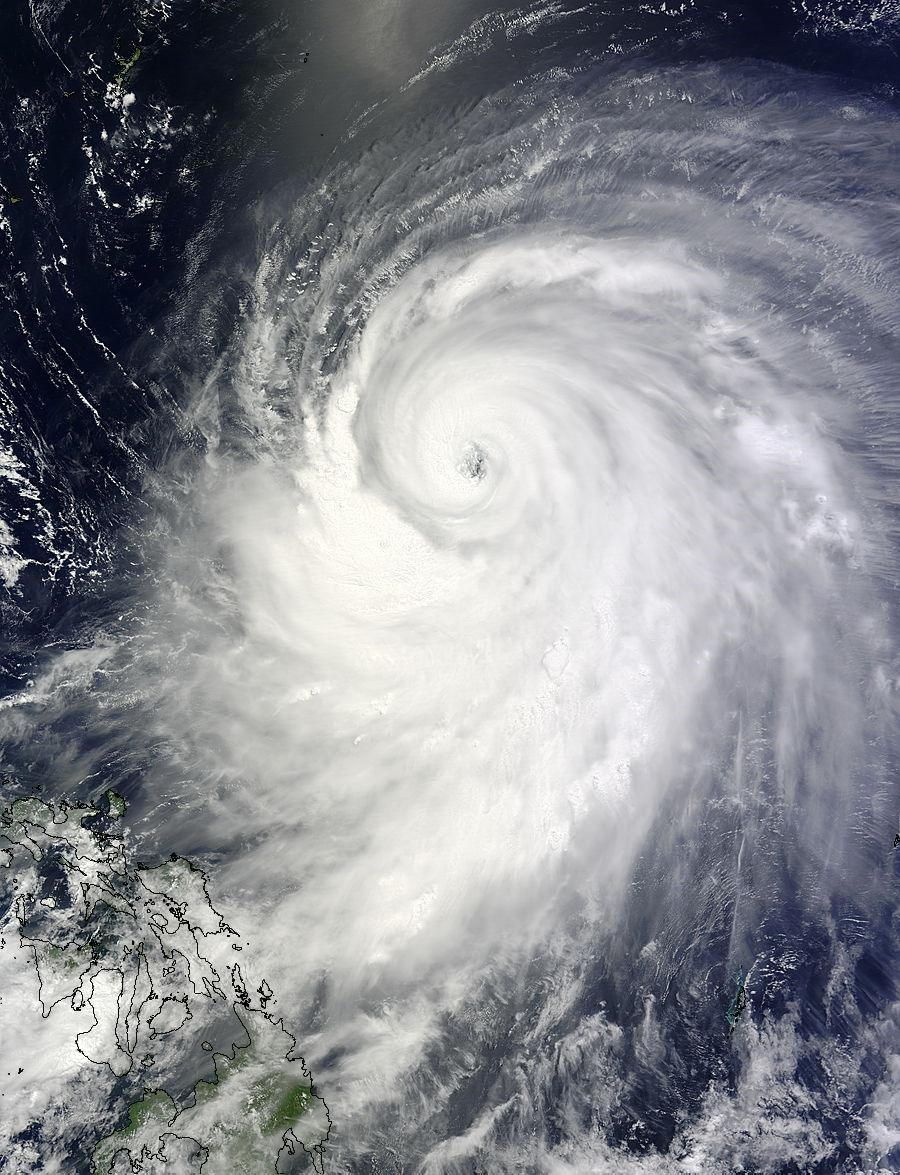
The cost of not proceeding with any major Congressionally approved program to massively conserve on burning fossil fuels, NOW, will surely ultimately be astronomical. The costs will not only skyrocket, ending up in the trillions of dollars, and but the number of human and other animal lives lost will likely end up in the billions, all because we already have and we are continuing to burn unsafe quantity levels of fossil fuels, which is now scientifically linked to rising atmospheric greenhouse gas accumulations, rising surface and ocean temperatures, worldwide, and which is also scientifically linked to ultra-extreme weather climate disasters, such as the one presently being experienced at Okinawa, Japan. What more will it take for our government officials in the U.S. to begin taking appropriate scale actions?
Global Warming Deniers are the Real Hoaxers

I never thought I’d have to make this post, 14 years into the 21st century. It’s been fourteen-years since I began saying it was all but certain rising concentration of the greenhouse gases, particularly carbon dioxide, will threaten life on our planet unless we take major and significant actions to reduce our annual emissions. It’s been virtually proven now, unfortunately.
It’s been fourteen years since I began warning my families, friends, community, co-workers, governmental representatives, church members, pastors, anyone who would listen. I also started writing newspaper editors, calling on state legislators, along with working in the local group “Preserve Our Climate”, and making phone calls on Wisconsin Public Radio talk shows, and occasionally National Public Radio, about the perils of global warming and climate change.
Yet the seem to be far too few folks, including members of Congress, most Wisconsin Legislators and Governor Walker, as well as most other countries outside the U.S., who are concerned enough about the injustices of passing on worsening climate change misery to future generations to act now to change things.
One would think that Wisconsin Public Radio (WPR) would have had the moral courage to listen to the many credible scientists it has had as guests on it’s radio talk shows over the last 14 years who were advocating for large scale greenhouse gas reductions. Instead, WPR continues to encourage their listeners to sign up for long distance WPR vacation travel trips, to Hawaii, Southern France, Germany and the like, which result in vast quantities of greenhouse gases being released to our atmosphere, over the objections of environmental advocates like myself who have been requesting they stop sponsoring such trips. It would be better if WPR instead encouraged their Wisconsin listeners to spend their vacation money in Wisconsin, not only reducing the negative impacts to the atmosphere, but also helping Wisconsin businesses prosper, rather than the foreign businesses catering to Wisconsin tourists.
Even worse, our State of Wisconsin plans to sponsor more business trips to Asia this August, going to Indonesia and Singapore, to lead to even more trips in the future by commercial airlines and shipping of goods. Even President Obama is encouraging the U.S. Congress to approve of fast-tracking the Trans Pacific Partnership treaty, which will encourage even more motorized travel to distant places.
Thirty-five percent of the world’s greenhouse gas emissions from human activities originate from burning oil and its refined products in jets, ships, boats, trucks, cars, trains, buses, etc..
Following are statements from experts “in the know” about the science, climate, physics and other fields they have excelled in those area which required solid understanding of the consequences of massive increases of greenhouse gas:
Global Climate Change: A Plea by the U.S. Conference of Catholic Bishops for Dialogue, Prudence, and the Common Good

Global Climate Change A Plea For Dialogue Prudence And The Common Good
A Statement of the United States Conference of Catholic Bishops
June 15, 2001
The text for Global Climate Change: A Plea for Dialogue, Prudence, and the Common Good originated from the Domestic and International Policy Committees and was prepared in consultation with the bishops’ Committee on Doctrine and the Committee on Science and Human Values. The document was approved for publication by the full body of United States Catholic bishops at their June 2001 General Meeting and has been authorized by the undersigned.
Msgr. William P. Fay
General Secretary
USCCB
Introduction
As people of faith, we are convinced that “the earth is the Lord’s and all it holds” (Ps 24:1). Our Creator has given us the gift of creation: the air we breathe, the water that sustains life, the fruits of the land that nourish us, and the entire web of life without which human life cannot flourish. All of this God created and found “very good.” We believe our response to global climate change should be a sign of our respect for God’s creation.
The continuing debate about how the United States is responding to questions and challenges surrounding global climate change is a test and an opportunity for our nation and the entire Catholic community. As bishops, we are not scientists or public policymakers. We enter this debate not to embrace a particular treaty, nor to urge particular technical solutions, but to call for a different kind of national discussion. Much of the debate on global climate change seems polarized and partisan. Science is too often used as a weapon, not as a source of wisdom. Various interests use the airwaves and political process to minimize or exaggerate the challenges we face. The search for the common good and the voices of poor people and poor countries sometimes are neglected.
At its core, global climate change is not about economic theory or political platforms, nor about partisan advantage or interest group pressures. It is about the future of God’s creation and the one human family. It is about protecting both “the human environment” and the natural environment. 1 It is about our human stewardship of God’s creation and our responsibility to those who come after us. With these reflections, we seek to offer a word of caution and a plea for genuine dialogue as the United States and other nations face decisions about how best to respond to the challenges of global climate change.
The dialogue and our response to the challenge of climate change must be rooted in the virtue of prudence. While some uncertainty remains, most experts agree that something significant is happening to the atmosphere. Human behavior and activity are, according to the most recent findings of the international scientific bodies charged with assessing climate change, contributing to a warming of the earth’s climate. Although debate continues about the extent and impact of this warming, it could be quite serious (see the sidebar “The Science of Global Climate Change”). Consequently, it seems prudent not only to continue to research and monitor this phenomenon, but to take steps now to mitigate possible negative effects in the future.
As Catholic bishops, we seek to offer a distinctively religious and moral perspective to what is necessarily a complicated scientific, economic, and political discussion. Ethical questions lie at the heart of the challenges facing us. John Paul II insists, “We face a fundamental question which can be described as both ethical and ecological. How can accelerated development be prevented from turning against man? How can one prevent disasters that destroy the environment and threaten all forms of life, and how can the negative consequences that have already occurred be remedied?” 2
Because of the blessings God has bestowed on our nation and the power it possesses, the United States bears a special responsibility in its stewardship of God’s creation to shape responses that serve the entire human family. As pastors, teachers, and citizens, we bishops seek to contribute to our national dialogue by examining the ethical implications of climate change. We offer some themes from Catholic social teaching that could help to shape this dialogue, and we suggest some directions for the debate and public policy decisions that face us. We do so with great respect for the work of the scientists, diplomats, business and union representatives, developers of new technologies, environmental leaders, and policymakers who have been struggling with the difficult questions of climate change for many years.
While our own growing awareness of this problem has come in part from scientific research and the public debate about the human contribution to climate change, we are also responding to the appeals of the Church in other parts of the world. Along with Pope John Paul II, church leaders in developing countries—who fear that affluent nations will mute their voices and ignore their needs—have expressed their concerns about how this global challenge will affect their people and their environment. We also hear the call of Catholic youth and other young people to protect the environment.
Therefore, we especially want to focus on the needs of the poor, the weak, and the vulnerable in a debate often dominated by more powerful interests. Inaction and inadequate or misguided responses to climate change will likely place even greater burdens on already desperately poor peoples. Action to mitigate global climate change must be built upon a foundation of social and economic justice that does not put the poor at greater risk or place disproportionate and unfair burdens on developing nations.
Scientific Knowledge and the Virtue of Prudence
As Catholic bishops, we make no independent judgment on the plausibility of “global warming.” Rather, we accept the consensus findings of so many scientists and the conclusions of the Intergovernmental Panel on Climate Change (IPCC) as a basis for continued research and prudent action (see the sidebar: The Science of Global Climate Change). Scientists engaged in this research consistently acknowledge the difficulties of accurate measurement and forecasting. Models of measurement evolve and vary in reliability. Researchers and advocates on all sides of the issue often have stakes in policy outcomes, as do advocates of various courses of public policy. News reports can oversimplify findings or focus on controversy rather than areas of consensus. Accordingly, interpretation of scientific data and conclusions in public discussion can be difficult and contentious matters.
Responsible scientific research is always careful to recognize uncertainty and is modest in its claims. Yet over the past few decades, the evidence of global climate change and the emerging scientific consensus about the human impact on this process have led many governments to reach the conclusion that they need to invest time, money, and political will to address the problem through collective international action.
The virtue of prudence is paramount in addressing climate change. This virtue is not only a necessary one for individuals in leading morally good lives, but is also vital to the moral health of the larger community. Prudence is intelligence applied to our actions. It allows us to discern what constitutes the common good in a given situation. Prudence requires a deliberate and reflective process that aids in the shaping of the community’s conscience. Prudence not only helps us identify the principles at stake in a given issue, but also moves us to adopt courses of action to protect the common good. Prudence is not, as popularly thought, simply a cautious and safe approach to decisions. Rather, it is a thoughtful, deliberate, and reasoned basis for taking or avoiding action to achieve a moral good.
In facing climate change, what we already know requires a response; it cannot be easily dismissed. Significant levels of scientific consensus—even in a situation with less than full certainty, where the consequences of not acting are serious—justifies, indeed can obligate, our taking action intended to avert potential dangers. In other words, if enough evidence indicates that the present course of action could jeopardize humankind’s well-being, prudence dictates taking mitigating or preventative action.
This responsibility weighs more heavily upon those with the power to act because the threats are often greatest for those who lack similar power, namely, vulnerable poor populations, as well as future generations. According to reports of the IPCC, significant delays in addressing climate change may compound the problem and make future remedies more difficult, painful, and costly. On the other hand, the impact of prudent actions today can potentially improve the situation over time, avoiding more sweeping action in the future.
Climate Change and Catholic Social Teaching
God has endowed humanity with reason and ingenuity that distinguish us from other creatures. Ingenuity and creativity have enabled us to make remarkable advances and can help us address the problem of global climate change; however, we have not always used these endowments wisely. Past actions have produced both good works and harmful ones, as well as unforseen or unintended consequences. Now we face two central moral questions:
How are we to fulfill God’s call to be stewards of creation in an age when we may have the capacity to alter that creation significantly, and perhaps irrevocably?
How can we as a “family of nations” exercise stewardship in a way that respects and protects the integrity of God’s creation and provides for the common good, as well as for economic and social progress based on justice?
Catholic social teaching provides several themes and values that can help answer these questions.
The Universal Common Good
Global climate is by its very nature a part of the planetary commons. The earth’s atmosphere encompasses all people, creatures, and habitats. The melting of ice sheets and glaciers, the destruction of rain forests, and the pollution of water in one place can have environmental impacts elsewhere. As Pope John Paul II has said, ” We cannot interfere in one area of the ecosystem without paying due attention both to the consequences of such interference in other areas and to the well being of future generations.” 3 Responses to global climate change should reflect our interdependence and common responsibility for the future of our planet. Individual nations must measure their own self-interest against the greater common good and contribute equitably to global solutions.
Stewardship of God’s Creation and the Right to Economic Initiative and Private Property
Freedom and the capacity for moral decision making are central to what it means to be human. Stewardship—defined in this case as the ability to exercise moral responsibility to care for the environment—requires freedom to act. Significant aspects of this stewardship include the right to private initiative, the ownership of property, and the exercise of responsible freedom in the economic sector. Stewardship requires a careful protection of the environment and calls us to use our intelligence “to discover the earth’s productive potential and the many different ways in which human needs can be satisfied.” 4
We believe economic freedom, initiative, and creativity are essential to help our nation find effective ways to address climate change. The United States’ history of economic, technological innovation, and entrepreneurship invites us to move beyond status quo responses to this challenge. In addition, the right to private property is matched by the responsibility to use what we own to serve the common good. Our Catholic tradition speaks of a “social mortgage” on property and, in this context, calls us to be good stewards of the earth. 5 It also calls us to use the gifts we have been given to protect human life and dignity, and to exercise our care for God’s creation.
True stewardship requires changes in human actions—both in moral behavior and technical advancement. Our religious tradition has always urged restraint and moderation in the use of material goods, so we must not allow our desire to possess more material things to overtake our concern for the basic needs of people and the environment. Pope John Paul II has linked protecting the environment to “authentic human ecology,” which can overcome “structures of sin” and which promotes both human dignity and respect for creation. 6 Technological innovation and entrepreneurship can help make possible options that can lead us to a more environmentally benign energy path. Changes in lifestyle based on traditional moral virtues can ease the way to a sustainable and equitable world economy in which sacrifice will no longer be an unpopular concept. For many of us, a life less focused on material gain may remind us that we are more than what we have. Rejecting the false promises of excessive or conspicuous consumption can even allow more time for family, friends, and civic responsibilities. A renewed sense of sacrifice and restraint could make an essential contribution to addressing global climate change.
Protecting the Environment for Future Generations
The common good calls us to extend our concern to future generations. Climate change poses the question “What does our generation owe to generations yet unborn?” As Pope John Paul II has written, “there is an order in the universe which must be respected, and . . . the human person, endowed with the capability of choosing freely, has a grave responsibility to preserve this order for the well-being of future generations.” 7
Passing along the problem of global climate change to future generations as a result of our delay, indecision, or self-interest would be easy. But we simply cannot leave this problem for the children of tomorrow. As stewards of their heritage, we have an obligation to respect their dignity and to pass on their natural inheritance, so that their lives are protected and, if possible, made better than our own.
Population and Authentic Development
Population and climate change should be addressed from the broader perspective of a concern for protecting human life, caring for the environment, and respecting cultural norms and the religious faith and moral values of peoples. Population is not simply about statistics. Behind every demographic number is a precious and irreplaceable human life whose human dignity must be respected.
The global climate change debate cannot become just another opportunity for some groups—usually affluent advocates from the developed nations—to blame the problem on population growth in poor countries. Historically, the industrialized countries have emitted more greenhouse gases that warm the climate than have the developing countries. Affluent nations such as our own have to acknowledge the impact of voracious consumerism instead of simply calling for population and emissions controls from people in poorer nations.
A more responsible approach to population issues is the promotion of “authentic development,” which represents a balanced view of human progress and includes respect for nature and social well-being. 8 Development policies that seek to reduce poverty with an emphasis on improved education and social conditions for women are far more effective than usual population reduction programs and far more respectful of women’s dignity. 9
We should promote a respect for nature that encourages policies fostering natural family planning and the education of women and men rather than coercive measures of population control or government incentives for birth control that violate local cultural and religious norms.
Caring for the Poor and Issues of Equity
Working for the common good requires us to promote the flourishing of all human life and all of God’s creation. In a special way, the common good requires solidarity with the poor who are often without the resources to face many problems, including the potential impacts of climate change. Our obligations to the one human family stretch across space and time. They tie us to the poor in our midst and across the globe, as well as to future generations. The commandment to love our neighbor invites us to consider the poor and marginalized of other nations as true brothers and sisters who share with us the one table of life intended by God for the enjoyment of all.
All nations share the responsibility to address the problem of global climate change. But historically the industrial economies have been responsible for the highest emissions of greenhouse gases that scientists suggest are causing the warming trend. Also, significant wealth, technological sophistication, and entrepreneurial creativity give these nations a greater capacity to find useful responses to this problem. To avoid greater impact, energy resource adjustments must be made both in the policies of richer countries and in the development paths of poorer ones.
Most people will agree that while the current use of fossil fuels has fostered and continues to foster substantial economic growth, development, and benefits for many, there is a legitimate concern that as developing countries improve their economies and emit more greenhouse gases, they will need technological help to mitigate further atmospheric environmental harm. Many of the poor in these countries live in degrading and desperate situations that often lead them to adopt environmentally harmful agricultural and industrial practices. In many cases, the heavy debt burdens, lack of trade opportunities, and economic inequities in the global market add to the environmental strains of the poorer countries. Developing countries have a right to economic development that can help lift people out of dire poverty. Wealthier industrialized nations have the resources, know-how, and entrepreneurship to produce more efficient cars and cleaner industries. These countries need to share these emerging technologies with the less-developed countries and assume more of the financial responsibility that would enable poorer countries to afford them. This would help developing countries adopt energy-efficient technologies more rapidly while still sustaining healthy economic growth and development. 10 Industries from the developed countries operating in developing nations should exercise a leadership role in preserving the environment.
No strategy to confront global climate change will succeed without the leadership and participation of the United States and other industrial nations. But any successful strategy must also reflect the genuine participation and concerns of those most affected and least able to bear the burdens. Developing and poorer nations must have a genuine place at the negotiating table. Genuine participation for those most affected is a moral and political necessity for advancing the common good.
The Public Policy Debate and Future Directions
Catholic social teaching calls for bold and generous action on behalf of the common good. “Interdependence,” as Pope John Paul II has written, “must be transformed into solidarity. . . . Surmounting every type of imperialism and determination to preserve their own hegemony, the stronger and richer nations must have a sense of moral responsibility for the other nations, so that a real international system may be established which will rest on the foundation of the equality of all peoples and on the necessary respect for their legitimate differences.” 11
The common good is built up or diminished by the quality of public debate. With its scientific, technological, economic, political, diplomatic, and religious dimensions, the challenge of global climate change may be a basic test of our democratic processes and political institutions. We respect the inquiry and dialogue which has been carried forward by a wide variety of scientists, diplomats, policy makers, and advocates, not only in the United States but around the world. These efforts should not be demeaned or distorted by disinformation or exaggeration. Serious dialogue should not be jeopardized by public relations tactics that fan fears or pit nations against one another. Leaders in every sector should seek to build a scientifically based consensus for the common good; avoid merely representing their own particular interests, industries, or movements; and act responsibly to protect future generations and the weak.
In the past decade, a continuing process of international diplomacy has led to agreements on principles and increasingly on procedures. In 1992, more than 160 nations, including the United States, ratified the first international treaty on global climate change at Earth Summit in Rio de Janeiro, Brazil, which was known as the United Nations Framework Convention on Climate Change (UNFCCC). In 1997, parties to the UNFCCC including the United States negotiated the Kyoto Protocol, which established mandatory emission reduction targets, market-based procedures for meeting those targets, and timetables for industrialized nations.
Without endorsing the specifics of these agreements and processes, we Catholic bishops acknowledge the development of these international negotiations and hope they and other future efforts can lead to just and effective progress. However, serious deliberations must continue to bring about prudent and effective actions to ensure equity among nations.
As an act of solidarity and in the interest of the common good, the United States should lead the developed nations in contributing to the sustainable economic development of poorer nations and to help build their capacity to ease climate change. Since our country’s involvement is key to any resolution of these concerns, we call on our people and government to recognize the seriousness of the global warming threat and to develop effective policies that will diminish the possible consequences of global climate change. We encourage citizens to become informed participants in this important public debate. The measures we take today may not greatly moderate climate change in the near future, but they could make a significant difference for our descendants.
We also hope that the United States will continue to undertake reasonable and effective initiatives for energy conservation and the development of alternate renewable and clean-energy resources. New technologies and innovations can help meet this challenge. While more needs to be done to reduce air pollution, through the use of improved technologies and environmental entrepreneurship, the United States has made significant environmental gains over the last several decades. Our hope is that these technologies along with other resources can be shared with developing countries.
Within the United States, public policy should assist industrial sectors and workers especially impacted by climate change policies, and it should offer incentives to corporations to reduce greenhouse gas emissions and assistance to workers affected by these policies.
We encourage all parties to adopt an attitude of candor, conciliation, and prudence in response to serious, complex, and uncertain challenges. We hope the continuing dialogue within and among the diverse disciplines of science, economics, politics, and diplomacy will be guided by fundamental moral values: the universal common good, respect for God’s creation, an option for the poor, and a sense of intergenerational obligation. Since religious values can enrich public discussion, this challenge offers opportunities for interfaith and ecumenical conversation and cooperation.
Finally, we wish to emphasize the need for personal conversion and responsibility. In our pastoral reflection Renewing the Earth, we wrote the following:
Grateful for the gift of creation . . . we invite Catholics and men and women of good will in every walk of life to consider with us the moral issues raised by the environmental crisis. . . . These are matters of powerful urgency and major consequence. They constitute an exceptional call to conversion. As individuals, as institutions, as a people, we need a change of heart to preserve and protect the planet for our children and for generations yet unborn. 12 Each of us should carefully consider our choices and lifestyles. We live in a culture that prizes the consumption of material goods. While the poor often have too little, many of us can be easily caught up in a frenzy of wanting more and more—a bigger home, a larger car, etc. Even though energy resources literally fuel our economy and provide a good quality of life, we need to ask about ways we can conserve energy, prevent pollution, and live more simply.
Conclusion
Our national debate over solutions to global climate change needs to move beyond the uses and abuses of science, sixty-second ads, and exaggerated claims. Because this issue touches so many people, as well as the planet itself, all parties need to strive for a civil and constructive debate about U.S. decisions and leadership in this area.
As people of religious faith, we bishops believe that the atmosphere that supports life on earth is a God-given gift, one we must respect and protect. It unites us as one human family. If we harm the atmosphere, we dishonor our Creator and the gift of creation. The values of our faith call us to humility, sacrifice, and a respect for life and the natural gifts God has provided. Pope John Paul II reminds us in his statement The Ecological Crisis: A Common Responsibility that “respect for life and for the dignity of the human person extends also to the rest of creation, which is called to join man in praising God.” 13 In that spirit of praise and thanksgiving to God for the wonders of creation, we Catholic bishops call for a civil dialogue and prudent and constructive action to protect God’s precious gift of the earth’s atmosphere with a sense of genuine solidarity and justice for all God’s children.
Sidebar
The Science of Global Climate Change
The photographs from the Apollo missions show earth glowing in the stillness of space like a blue-white opal on black velvet. Cool and beautiful, it hurries along in the Sun’s gravitational embrace. The earth is our home, our whole wide world.
Our enfolding blanket of air, our atmosphere, is both the physical condition for human community and its most compelling symbol. We all breathe the same air. Guarding the integrity of the atmosphere—without which complex life could not have evolved on this planet—seems like common sense. Yet a broad consensus of modern science is that human activity is beginning to alter the earth’s atmospheric characteristics in serious, perhaps profound ways. For the past century, researchers have been gathering and verifying data that reveal an increase in the global average temperature. Until recently, scientists could not say with great confidence whether or not this phenomenon was in any way the result of human activity or entirely the result of natural changes over time.
To deal with the difficulty of making precise measurements and arriving at definite conclusions, the World Meteorological Organization and the United Nations Environment Programme established the Intergovernmental Panel on Climate Change (IPCC) to seek a clear explanation of the causes and possible impacts of this global climate change. 14 Because of the large number of scientists involved in the IPCC and its process of consultation, its reports are considered widely as offering the most authoritative scientific perspectives on the issue. IPCC’s findings have met with general—but because of remaining uncertainties, not complete—agreement within the wider scientific community.
In 1996, the IPCC issued its Second Assessment Reports, which summarized the current state of knowledge. The first of these reports concluded that ” the balance of evidence suggests that there is a discernible human influence on global climate.” 15 The Third Assessment Reports, approved in early 2001, found even stronger evidence and concluded, ” most of the observed warming over the last 50 years is likely to have been due to the [human-induced] increase in greenhouse gas concentrations” (italics added). 16
The IPCC offers convincing evidence that there exists if not a clear and present danger then a clear and future one, and that coming changes will affect all aspects of the environment and societal well-being. Based on measurements taken over both land and sea, the global average surface-air temperature has increased by about one degree Fahrenheit since 1860, building up as the Industrial Revolution was hitting full stride. While this is hardly a frightening increase for a particular geographic location, the temperature change is global in extent, so one must read it against the background of the earth’s average temperature during historic times. According to IPCC, the rate and duration of warming in the twentieth century appears to be the largest in the last one thousand years. The twentieth century also experienced precipitation increases in mid- and high-northern latitudes; drier conditions in the subtropics; decreases in snow cover, mountain glaciers, and Arctic sea ice; and a rise of four to eight inches in mean sea level. 17
The “greenhouse effect,” though complex in detail, is simple enough in outline. Not considering the internal heating due to radioactive decay and volcanism, the earth draws its thermal energy from the Sun. Atmospheric gases form a protective cover that makes our planet hospitable to life, transmitting visible light, blocking out harmful high-energy radiation like ultraviolet rays, and keeping temperatures comfortable by moderating the escape of heat into space. However, the precise mix of these gases is quite delicate, and changing that mix alters the atmosphere’s properties. An increase in the relative abundance of the greenhouse gases (carbon dioxide, methane, chlorofluorocarbons, tropospheric ozone, and nitrous oxide) causes the earth to trap more of the Sun’s heat, resulting in what is called “global warming.” Since the beginning of the industrial period, the IPCC reports, the concentration of the principal greenhouse gas, carbon dioxide, has increased by 30 percent and is now greater than at any time in the past 20 million years. 18 The presence of methane (150 percent increase) and nitrous oxide (16 percent increase) is also growing. The result is the small but alarming temperature rise science has detected. 19
What causes greenhouse gases to accumulate in the atmosphere? Emissions from cars and trucks, industry and electric plants, and businesses and homes are the largest part of the answer, although other factors such as deforestation contribute. The Industrial Revolution was built on furnaces and engines burning fossil fuels (coal, natural gas, oil, and such derived products as gasoline and heating oil). These fossil fuels now power the U.S. and global economy. Although some of the smoke particles and other pollutants (such as sulfur dioxide) now streaming from chimneys and tailpipes can actually cool the earth if they take an aerosol form, the great bulk of our emissions are contributing a warming influence. Reflecting upon studies completed since its last report in 1996, the IPCC says, “There is new and stronger evidence that most of the warming observed over the last 50 years is attributable to human activities.” 20
Whatever the extent, severity, or geographical distribution of global warming impacts, the problem is expected to disproportionately affect the poor, the vulnerable, and generations yet unborn. Projected sea level rises could impact low-lying coastal areas in densely populated nations of the developing world. Storms are most likely to strain the fragile housing infrastructure of the poorest nations. The migration of diseases could further challenge the presently inadequate health care systems of these same nations. Droughts or floods, it is feared, will afflict regions already too often hit by famine, hunger, and malnutrition. Because the number of days with high heat and humidity are likely to increase, heat stress impacts will also increase, especially among the elderly, the sick, children, and the poor. 21
The scientific reports of the IPCC portray the long-term challenge global climate change poses. Its findings, while not complete, are widely accepted in the scientific community. In June 2001, the National Academy of Sciences released a report, prepared at the request of President Bush, summarizing a prestigious panel’s understanding of global climate change and an assessment of the work of the International Panel on Climate Change. The panel said that “greenhouse gases are accumulating in the Earth’s atmosphere as a result of human activities. . . .” It also found that “we cannot rule out that some significant part of these changes are also a reflection of natural variability. . . . Because there is considerable uncertainty in current understanding of how the climate system varies naturally and reacts to emissions of greenhouse gases and aerosols, current estimates of the magnitude of future warming should be regarded as tentative and subject to future adjustments (either upward or downward). . . .” The report noted that while the full implications of climate change remain unknown, the panel “generally agrees with the assessment of human-caused change presented in the IPCC Working Group I scientific report.” 22
John Paul II, On the Hundredth Anniversary of Rerum Novarum (Centesimus Annus) (Washington, D.C.: United States Conference of Catholic Bishops, 1991), no. 38.
John Paul II, “International Solidarity Needed to Safeguard Environment,” Address by the Holy Father to the European Bureau for the Environment, L’Osservatore Romano (June 26, 1996).
John Paul II, The Ecological Crisis: A Common Responsibility (Washington, D.C.: United States Conference of Catholic Bishops, 1990), no. 6.
John Paul II, On the Hundredth Anniversary of Rerum Novarum (Centesimus Annus) (Washington, D.C.: United States Conference of Catholic Bishops, 1991), no. 32.
John Paul II, On Social Concern (Sollicitudo Rei Socialis) (Washington, D.C.: United States Conference of Catholic Bishops, 1988), no. 42.
John Paul II, On the Hundredth Anniversary of Rerum Novarum, no. 38.
John Paul II, “The Exploitation of the Environment Threatens the Entire Human Race,” address to the Vatican symposium on the environment (1990), in Ecology and Faith: The Writings of Pope John Paul II, ed. Sr. Ancilla Dent, OSB (Berkhamsted, England: Arthur James, 1997), 12.
John Paul II, On Social Concern, ch. four. This chapter of the encyclical gives a more complete definition of the concept of authentic development.
Second Vatican Council, Pastoral Constitution on the Church in the Modern World (Gaudium et Spes), nos. 50-51, in Austin Flannery, ed., Vatican Council II: The Conciliar and Post Conciliar Documents, new rev. ed., 1st vol. (Northport, N.Y.: Costello Publishing, 1996).
See also treatment of this topic in Stewardship: A Disciple’s Response (Washington, D.C.: United States Conference of Catholic Bishops, 1993), 27.
Ibid., no. 39.
United States Conference of Catholic Bishops, Renewing the Earth: An Invitation to Reflection and Action on Environment in Light of Catholic Social Teaching (Washington, D.C.: United States Conference of Catholic Bishops, 1992), 3. See also treatment of this theme in Stewardship: A Disciple’s Response, 46.
John Paul II, The Ecological Crisis, no. 16.
To date, the IPCC’s work represents the most authoritative estimates and prognosis of current and future climate change data. This statement utilizes the following Second and Third Assessment Reports by the IPCC: 1996a: Climate Change 1995: The Science of Climate Change. Contribution of Working Group I to the Second Assessment Report of the Intergovernmental Panel on Climate Change, eds. J. T. Houghton, L. G. Meira Filho, B. A. Callander, N. Harris, A. Kattenberg, and K. Maskell (Cambridge and New York: Cambridge University Press). 1996b: Climate Change 1995: Impacts, Adaptations and Mitigation of Climate Change: Scientific-Technical Analyses. Contribution of Working Group II to the Second Assessment Report of the Intergovernmental Panel on Climate Change, eds. R. T. Watson, M. C. Zinyowera, and R. H. Moss (Cambridge and New York: Cambridge University Press). 1996c: Climate Change 1995: Economic and Social Dimensions of Climate Change. Contribution of Working Group III to the Second Assessment Report of the Intergovernmental Panel on Climate Change, eds. J. P. Bruce, Hoesund Kee, and E. F. Haites (Cambridge and New York: Cambridge University Press). 1996d: The IPCC Second Assessment Synthesis of Scientific-Technical Information Relevant to Interpreting Article 2 of the UN Framework Convention on Climate Change (Geneva: World Meteorological Organization/United Nations Environment Programme). 2001a: Climate Change 2001: The Scientific Basis, eds. J. T. Houghton, Y. Ding, D. J. Griggs, M. Noguer, P. van der Linden, X. Dai, K. Maskell, and C. Johnson (Cambridge and New York: Cambridge University Press). 2001b: Climate Change 2001: Impacts, Adaptation, and Vulnerability, eds. J. McCarthy, O. Canziani, N. Leary, D. Dokken, and K. White (Cambridge and New York: Cambridge University Press). 2001c: Climate Change 2001: Mitigation, eds. O. Davidson, B. Metz, R. Swart, and J. Pan (Cambridge and New York: Cambridge University Press).
IPCC, 1996a, 5.
IPCC, Climate Change 2001: The Scientific Basis, 10.
Ibid., ch. two.
Ibid., 7.
Ibid.
Ibid., 10.
IPCC, Climate Change 2001: Impacts, Adaptation, and Vulnerability.
National Academy of Science, Climate Change Science: An Analysis of Some Key Questions (Washington, D.C., June 7, 2001).
WMO: CO2 Concentrations Top 400 Parts per Million throughout Northern Hemisphere

Carbon dioxide levels throughout the northern hemisphere hit 400 parts per million (ppm) for the first time in human history in April, an ominous threshold for climate change, the World Meteorological Organization said on Monday.
The 400 ppm level in the atmosphere, up 40 percent since wide use of fossil fuels began with the Industrial Revolution, is rapidly spreading southwards. First recorded in 2012 in the Arctic, it has since become the norm for the Arctic spring.
The WMO expects the global annual average carbon dioxide concentration to be above 400 ppm in 2015 or 2016. Rising concentrations of the heat-trapping gas raise risks of more heatwaves, droughts and rising sea levels.
“Time is running out,” WMO Secretary-General Michel Jarraud said in a statement.
“This should serve as yet another wake-up call about the constantly rising levels of greenhouse gases which are driving climate change. If we are to preserve our planet for future generations, we need urgent action to curb new emissions of these heat-trapping gases.”
Almost 200 governments have agreed to work out a deal by the end of 2015 to slow climate change as part of efforts to limit the average temperature increase to two degrees Celsius (3.6 degrees Fahrenheit) above pre-industrial times.
Temperatures have already risen about 0.8C (1.4F).
In April, the U.N.’s panel of climate experts said that greenhouse gas concentrations, led by carbon dioxide, would have to be kept below 450 ppm to give a good chance of achieving the 2C goal.
The level of carbon dioxide in the atmosphere is seasonal, since plants absorb more in the summer months, causing a peak in the spring. The northern hemisphere, with more human-related sources of the gas, has a more pronounced seasonal cycle.
Carbon dioxide remains in the atmosphere for hundreds of years. It is emitted by fossil-fueled vehicles and coal-fired factories and power plants as well as by natural activities such as breathing.
During the last 800,000 years, the level of atmospheric carbon dioxide fluctuated between 180 ppm and 280 ppm, and has probably not been above 400 ppm for millions of years, scientists say.
With the widespread burning of coal and oil during the Industrial Revolution, the concentration of carbon dioxide rose to about 290 ppm by the end of the 19th century.
That accelerated last century, with levels between 370 and 380 ppm by the year 2000.
Mayday! Mayday! Mayday!

May 1, called May Day, historically was a fun-filled day for people to say goodbye to the long, cold winter and welcoming warmer weather, by gathering flowers, singing, and dancing.
May Day has also become know as also known as International Workers’ Day, Unions and union locals in the United States — especially in urban areas with strong support for organized labor — have maintained a connection with labor traditions through their own unofficial observances on May 1. Some of the largest examples of this occurred during the Great Depression of the 1930s, when hundreds of thousands of workers marched in May Day parades in New York’s Union Square.
International Workers’ Day is also the commemoration of the May 4, 1886 Haymarket affair in Chicago. The police were trying to disperse a public assembly during a general strike for the eight-hour workday when an unidentified person threw something at the police. The police responded by firing on the workers, killing four demonstrators. “Reliable witnesses testified that all the pistol flashes came from the center of the street, where the police were standing, and none from the crowd. Moreover, initial newspaper reports made no mention of firing by civilians. A telegraph pole at the scene was filled with bullet holes, all coming from the direction of the police On May 1, 2012, tens of thousands marched in the streets of New York and around the US to commemorate May Day as the worker’s holiday and to protest the dismal state of the economy, the growing divide between the rich and the poor and the status quo of economic inequality. Members of Occupy Wall Street and labor unions held protests together in a number of cities in the United States and Canada on May 1, 2012 to commemorate May Day.
This afternoon in Madison there is a May Day march and rally to the State Capitol for immigrant justice, worker’s rights, and a living wage for all, hosted by the Immigrant Worker’s Union. Marcher’s will be meeting at 3 pm at Brittingham Park of Monona Bay, Madison.
Tonight, the Industrial Workers of the World host a May Day celebration with live music, ols fashion labor singing, food, literature and solidarity from 6 – 10 pm at the Wilmar Center, 953 Jennifer Street.
“Mayday”, voiced three consecutive times, as done in the title, “Mayday! Mayday! Mayday!”, is a call for help used in maritime and aviation operations to broadcast that, unless we take major, significant, and TIMELY ALTERNATIVE ACTIONS (quickly), that reverse course – away from the3 status quo (business as usual), imminent doom for the planet and its inhabitants is inevitable.
Thus, a “Mayday! Mayday! Mayday!” call has collectively been sounded by the thousands of the United Nation’s Intergovernmental Panel of scientists who make up the IPCC and wrote and published the latest dire report on the status of our changing climate. What follows are some remarks they and others made following the report’s public release:
(Additions coming shortly.)
Earth’s future ability to sustain life will be directly incumbent are the success of us here today in reducing enough fossil fuel burning, fast enough, and in reversing the deforestation and paving of the earth with cement. We must contact our governmental officials, who we collectively chose to represent our interests, and demand they take immediate major actions to begin to combat not only global warming, but also income inequality, poverty and hunger and other condition of human injustice.
Energy efficiency is a key way to reduce the state’s carbon footprint and make customer energy bills more affordable. Innovative efficiency strategies, coupled with smart use of renewable resources, could position Wisconsin as a leader in climate and energy strategies for the 21st century.
See “Conserve, NOW” conservation solution which rewards those who burn less fossils fuels on an annual basis. Click on “About this blog” on page 1 for more information.
EARTH DAY ACTIONS – Madison, Wisconsin, and Washington DC

Madison, Wisconsin
As part of an organizing action of Global Climate Convergence and Wisconsin Wave, University of Wisconsin students, professors, teachers and other members of Madison area community marched down Madison’s State Street on the 44th Earth Day, Tuesday, April 22, 2014, with the purpose being to add to the public’s growing awareness and concern regarding the grave environmental threats and social injustices going on around them. The continuing and reckless mining and overuse of the earth’s valuable natural resources, often primarily for the profit of a few, was a common theme expressed at the march in posters and verbal forms. There was an overriding concern about the overuse of fossil fuels, metals, sand and gravel, to the great harm being inflicted upon the earth’s clean water and limited atmosphere, which are showing signs everywhere that they have reached the limit of sustainability for all of the earth’s future populations.
As reported in a April 23 article by Dana Kampa in The Daily Cardinal, titled “Madison environmental, social justice advocates converged on Earth Day” to “Protect our Water–Reject the Mines and Pipelines!”, mining in Wisconsin was cited as one of several significant environmental issues the protesters voiced concerned about.
Wisconsin used to be an environmental leader. It was the home of naturalist and writer Aldo Leopold; it was the first state in the country to ban the use of DDT as a pesticide on farmland; and it was the birthplace and home of U.S. Senator Gaylord Nelson, who founded Earth Day in 1970 and was instrumental in waking up the nation’s awareness of the damaging ecological, health and economic costs of air and water pollution and the need for tough federal and state laws and regulations to minimize it. The State of Wisconsin did just that in the decades that followed, maintaining and protecting its natural resources throughout the decades that followed.
But natural resource protection in Wisconsin took an about face in Wisconsin in November 2010 with the election of Republican Governor Scott Walker. After passage of a bill into law that allows for significant environmental degradation from ore mining in the state, an environmentally sensitive area of northern Wisconsin could ultimately become the home of the world’s largest open-pit iron ore mine. Wisconsin’s once strong environmental laws and regulations have been weakened, and environmentally conscious people throughout the state are rising up and taking notice.
The mine is proposed to be built by Gogebic Taconite and is currently undergoing review for development in the Penokee Hills, despite the fact that the mine would destroy a vast, water-rich ecosystem that President John F. Kennedy in 1963 called “a central and significant portion of the freshwater assets of this country” after his visit there.
The $1.5 billion mine would initially be close to four miles long, up to a half-mile wide and nearly 1,000 feet deep, but it could be extended as long as 21 miles. It lies in the headwaters of the Bad River, which flows into Lake Superior, the largest freshwater lake in the world. Six miles downstream from the site is the reservation of the Bad River Band of Lake Superior Chippewa, whose livelihood is threatened by the mine. Environmentally conscious citizens of Wisconsin are protesting, as evidenced by the Earth Day march in Madison.
The protesters also voiced strong concerns for the overall degradation being inflicted on Wisconsin’s landscape by frac sand mining, as well as the human health concerns which occur over time when people breath in silica sand fragments, and the noise and dust from the various digging, processing and trucking of the sand from the mining sites to drilling sites, located out-of-state, mostly in North Dakota. But student marchers also expressed major concerns about the overall future and well-being of the entire planet earth, as its oceans are warming, becoming more acid, while sea levels are arising, from melting ice and snow on land masses and due to the thermal expansion that occurs when water warms, and as the air at the surface continues its record warming. The adverse effects on people and animals from the increasing weather extremes associated with the warming (longer and more dangerous heat waves, worse flooding in some areas and larger areas of drought in others; more and higher coastal flooding with stronger and stronger storms); in other words, more devastation of human and animal life and real estate as the earth continues to heat up. Property and life insurance rates the world over are rising as a result.
The protesters began the march at Madion’s Monona Terrace building, which is Madison’s Convention Center (designed by architect Frank Lloyd Wright), and marched past the Wisconsin’s State Capitol Building, and then down State Street, where they convened at the UW campus Library Mall.
At the mall, several speakers referenced the latest projections made by the Intergovernmental Panel on Climate Change (IPCC), citing numerous examples of recent environmentally injurious governmental decisions of late, not just by our own state senators and representatives in the Wisconsin Legislature, but by current Wisconsin Republican Governor Scott Walker.
As most Wisconsinites know, Wisconsin has tens of thousands of individual and families living in poverty in the state, most who have been been able to just barely get by on the low income jobs they’ve been working up to now. Yet just this last November, the U.S. Congress voted to end the 2009 Recovery Act’s modest monetary increase in food share benefits (food stamps), by its failing to continue funding the Supplemental Nutrition Assistance Program (SNAP) benefits for poor individuals and families, cutting the funding source of the food budget for many thousands of Wisconsin individuals, families and their children on November 1, 2013. This action by our Congress resulted in a benefit cut for nearly every household receiving food share benefits. For families of three, the cuts amounted to $29 a month — November 2013 through September 2014, totaling a $319 for families of three for that period.
The Center on Budget and Policy Priorities said that the cut amounted to “a serious loss, especially in light of the very low amount of basic SNAP benefits available”, and that “without the Recovery Act’s boost, SNAP benefits will average less than $1.40 per person per meal in 2014”. Unfortunately, it is individuals and families eligible for receiving SNAP funding – a large percentage who are Blacks of African and American descent who live in Milwaukee or Dane (Madison area) counties, as well as many thousands of rural preschool age children, and minority families who have children enrolled in public elementary, middle or high schools throughout Wisconsin – who were hurt the most by the November 2013 federal SNAP program cut. Studies show these are the times of human life that are most essential for the child to receive proper nutrition – when their bodies demand the largest amount of good food to grow properly and function well while in school as well as play. When children of any race are deprived of good, nutritious food in their preschool and school age years they are more likely to be more anxious and distracted in school and elsewhere, and they are thus more prone to act in ways get them into trouble in school and elsewhere.
Studies show that when deprived of good, nutritious food at a very young age (2 – 6 years of age), any child, regardless of their race or ethnicity, will be impaired for life as those years are key in proper brain development. When family poverty results in these young children being fed less than nutritious food, or not enough food, during the ages of 2 to 6 years of age, it saddles these young children with impaired mental capabilities, making it more difficult for them to succeed when they enter school, and ultimately reduces their ability to compete for good grades and reduces their chances of succeeding in school and the work place, which can increase their risk of getting into trouble with the authorities and land in prison. To generate this sequence of events for children of families having limited income, in a country as wealthy as the U.S., is an American tragedy of intolerable proportions. Yet, inflationary food pricing brought on by likely global-warming-caused drought in large portions of the western United States, southwestern California in particular, over the past 3 years, and the harsh political decisions affecting Wisconsin’s poor families by our Wisconsin political representative have made this situation worse, especially for the large African-American and Latino populations living in and around Wisconsin’s two largest urban areas – Milwaukee and Dane Counties in particular.
Many who marched this Earth Day (Tuesday) in Madison claimed that they were totally outraged by the fact our own U.S. Representatives and Senators in the Congress have hugely shirked their responsibilities as government employees and public office holders by their continued refusal to initiate or act on legislation to significantly bring down annual U.S. emissions of greenhouse gases (GHG) to the atmosphere, both by each individual state, as well as the country as a whole, and fund the development of community strategies to adapt existing and needed infrastructure to handle higher flood waters and drier and hotter condition affecting water supply and air conditioning during heat waves for those who can’t afford it; while creating alert systems and emergency response networking as extreme weather events become more extreme and potentially deadly,as is predicted in the coming decades due to human-caused global warming.
Not only is there now clear evidence of global warming, nearly everywhere, but studies also show the warming is likely to accelerate, the longer countries, such as the high carbon dioxide emitting, or those projected to become high annual greenhouse gas emitters: United States, Canada, China; India; Australia; European counties; Southeast Asia countries, Brazil, and many of the more prosperous South and Central American countries that rely heavily on the tremendous greenhouse gas emitting aviation industry, as well as the many countries having large numbers of military transport vehicles, ships and aircraft and who them on a regular basis, for training purposes and in war, and the very lucrative cruise and airline tourist industries, all who continue to fail at drastically cutting their annual GHG emissions, to the detriment of future decades.
Scientists the world over have already essentially issued a RED ALERT and sounded the alarm bells on the looming state, national and worldwide threats that are now becoming reality as rapid global warming becomes reality. Economists have reported that major industries which depend greatly on a stable climate are unlikely to prosper when they begin to experience heavy losses as they already have because of increasingly severe droughts, unusually fast and heavy rainfalls causing terrible flooding.
It is a fact that every time someone on the planet burns fossil fuels, whether the fuel is gasoline that gets burned up in a car or a lawn mower, ATV, boat jet ski, snowmobile; or if its diesel fuel for running a truck, train, bus or generator, or whether its aviation (jet) fuel from a plane; or natural gas, oil, propane or any other fuel source burned in one’s furnace; more carbon dioxide is emitted into the atmosphere, where it mixes with the other GHG’s already present in the atmosphere.
During their march down State Street in Madison, participants chanted phrases such as “keep the oil in the soil, keep the coal in the hole,” “people power, not corporate power” and “beat back the frack attack, we’re gonna say no mine, GTAC” to promote their individual and collective goals.
Trudi Jenny, a 350 Madison member, said she thought the main message of the march was to “protect our waters.” She said she opposes climate disruption and pipelines.
“We hope that [people attending the rally] learn to become active in the climate change arena,” Jenny said.
Jenny also said she hopes people will write to their congresspeople about creating legislation to keep the planet healthy, promote a carbon tax and oppose a pipeline coming through Minnesota, and support divestment from fossil fuel industries.
Madison Action for Mining Alternatives member Carol Buelow said frack sand mines need more regulation, and bills altering iron mining regulation need to be repealed.
“I think people need to pay attention to the threats to our environment and do what they can to stop them,” Buelow said. “[Iron and frack sand mining] are very destructive to the environment, and they’re very poorly regulated, if at all. The state is doing a totally inadequate job of protecting the environment.”
Environmental advocate Brandi Browskowski-Durow, a public school teacher and University of Wisconsin-Madison School of Education graduate student, said she wants to see more environmental education in schools.
Browskowski-Durow added one of her biggest concerns about the frack sand mining industry is the development of silicosis, which is the accumulation of fine sand in the lungs.
“Right now, [the government is] allowing permits to be more lenient, especially in Wisconsin, and that’s not going to be good for future generations,” Browskowski-Durow said.
Self-described “raging granny” Rebecca Alwin said she thought the rally was a convergence of issues and uniting of progressive groups.
“Raging grannies typically don’t like walking this far, but I’ve got my good walking shoes on,” Alwin said.
Multiple peace marshals walked with the group to help the large group comply with the law and stay safe around traffic.
After the march, several speakers voiced their environmental concerns in a rally.
Federation of United Tribes spokesperson Larry Littlegeorge said he would like to see a complete stop to sand mine construction. He said he got involved when he heard about the potential creation of a 5,000-acre sand mine.
Littlegeorge connected his current concerns to Andrew Jackson’s Indian Removal Act moving all Native Americans west of the Mississippi River.
“Now in 2014, we have another forced removal,” Littlegeorge said. “The Federation of United Tribes is commissioned by the elders and their beliefs to stand up and be accountable for the rights of Mother Earth and for the people who are not in harmony and balance with one another.”
Speakers then led a traditional Native American dance, encouraging people to join hands in a line that eventually converged in the center of Library Mall.
350 Madison spokesperson Beth Esser addressed climate change policy for future generations, specifically her children at the rally.
“Like every parent out there, I want so many wonderful things for their future, but most importantly, I want a healthy, vibrant planet for them to live on,” Esser said. “The time has come to move beyond changing light bulbs.”
Esser also spoke of the fossil fuel divestment program on UW-Madison campus.
“If it is wrong to wreck the planet, surely it is wrong to benefit financially from doing so,” Esser said. “Together, we can put people, planet and peace over profit.”
Finally, Carl Whiting spoke of the No Keystone XL Pledge of Resistance’s opposition to building a pipeline through the Midwest to transport crude oil with civil disobedience.
“It’s high time we all got together, celebrating our collective vision for a healthy planet and flexing our collective muscle,” Whiting said. “All of us here are deeply concerned about the future, and rightly so.”
A rally coordinator said despite the smaller-than-expected turnout, the positive energy of the crowd was encouraging and empowering.
More Info:
For more information about the Global Climate Convergence in Wisconsin, go to https://wisconsinwave.org/global-climate-convergence-wisconsin-0
Regarding Earth Day news in Washington DC, USA Today journalist Paul Singer, who gives weekly reports to Wisconsin Public Radio’s “Central Times” show on Congressional activities, said nothing special for Earth Day was happening there, and that Earth Day is seldom celebrated in the nation’s capital, as it is perceived mostly as an celebration only by Democrats.
Happy Earth Day!

On April 22, 2014, University of Wisconsin-Madison students, faculty and others supporting the university’s divestment from corporations that profit from fossil fuels are planning to march and rally Tuesday to mark Earth Day. The first Earth Day is recognized as having taken place in the United States on April 22, 1970, at the urging and prompting of Wisconsin Senator Gaylord Nelson who called for “an environmental teach-in” to be held throughout the United States that day. It was, and the date of April 22 is now recognized as “Earth Day” worldwide.
Last year, over a billion people in 190 countries took action on Earth Day. From San Francisco to San Juan, Beijing to Brussels, Moscow to Marrakesh, people planted trees, cleaned up their communities, contacted their elected officials, and more—all on behalf of the environment.
The march in Madison will start at 5:30 p.m. from Monona Terrace, where the Nelson Earth Day Conference at UW-Madison’s Nelson Institute for Environmental Studies will be taking place, and head to a 6:15 p.m. Mother Earth! Rally at the Library Mall.
Later tonight, on PBS – TV, 8:00 PM (Central Time): American Masters is scheduled to present: “A Fierce Green Fire”. This program is not to be missed ideally by anyone and includes archival film footage and interviews covering the 1960-1980 environmental movement, through the narration of four success stories. The hour-long program concludes with what PBS calls “an in-depth look at the crises surrounding climate change.”


 All Things Environmental
Recent Comments